Book the best 7 days Europe tour packages. Explore Paris, London, Rome, Amsterdam, Barcelona or multiple capital combinations with guided sightseeing, comfortable transport and handpicked hotels. Perfect for first-time visitors wanting maximum highlights in one week. Small-group and private options available year-round. Secure your unforgettable 7 days Europe adventure today!
Our best-selling 7 Days Europe tour packages take you through the highlights of Europe, visiting Paris, London, Amsterdam, Rome, or Switzerland in one well-planned week.
This fast-paced 7-day tour takes you through six iconic European countries: the UK, France, Switzerland, Germany, the Netherlands, and Belgium. Enjoy a perfect mix of historic cities, stunning landscapes, rich culture, and delicious local food. Ideal for travelers who want to experience the best of Europe in just one unforgettable week.
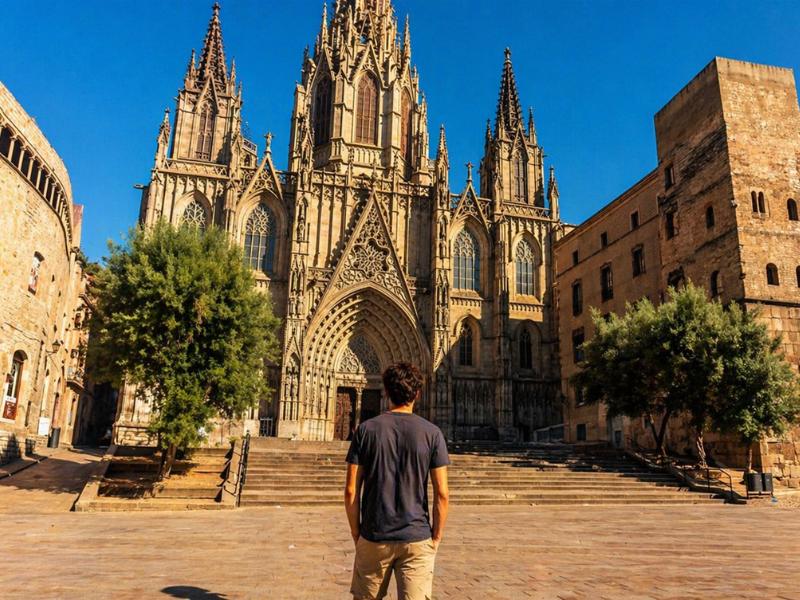
This fast-paced 7-day tour takes you through some of Europe’s most iconic cities. Explore Rome, admire the Leaning Tower of Pisa, stroll the charming streets of Nice, and discover Gaudí’s stunning architecture in Barcelona. Travel comfortably by train instead of coach, enjoy delicious local food along the way, and experience the best of Italy, France, and Spain in one unforgettable journey.
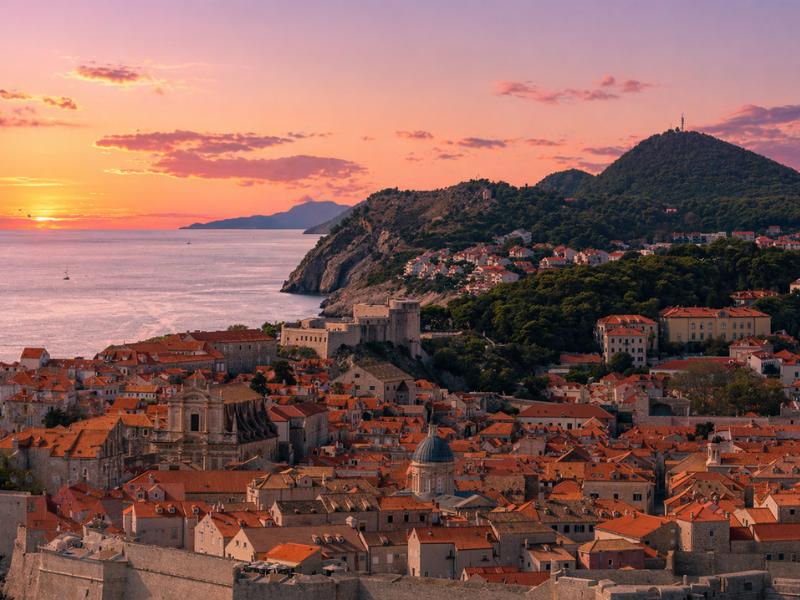
This 7-day journey takes you through some of the Balkans’ most vibrant and historic cities. Start in Istanbul, then fly to Sofia, explore Skopje, wander the charming streets of Prizren, discover Tirana, enjoy the breathtaking beauty of Kotor, and finish in the stunning medieval city of Dubrovnik.
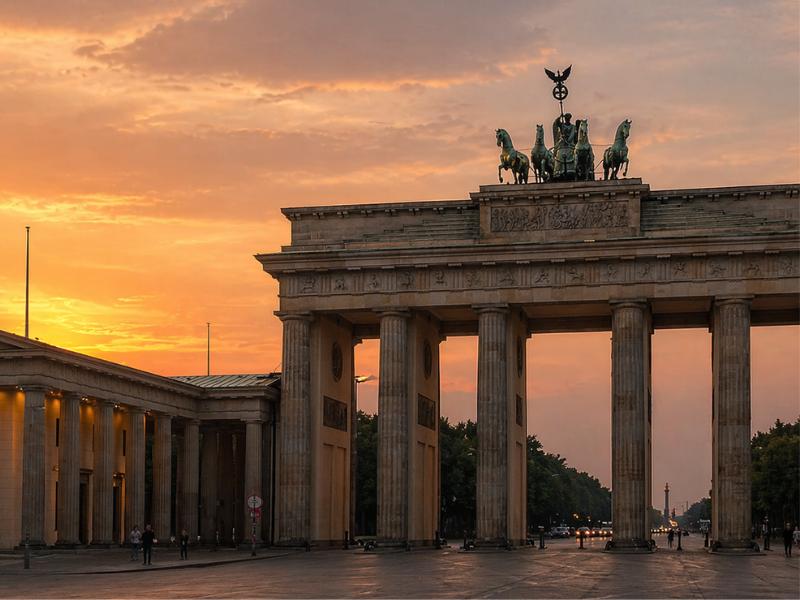
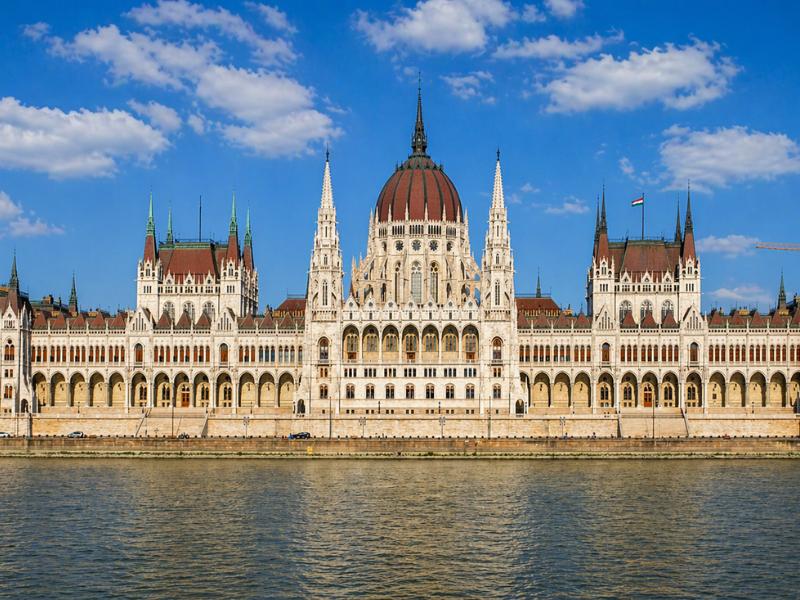
This fast-paced 7-day tour takes you through four of Eastern Europe’s most captivating cities: Kraków, Prague, Berlin, and Budapest. Explore charming cobblestone streets, historic castles, stunning architecture, and vibrant local culture. With comfortable train and bus travel, plenty of free time to discover each city at your own pace, and a fun group atmosphere, it’s the perfect introduction to Eastern Europe.
This 7-day journey offers a wonderful introduction to some of Europe’s most beautiful destinations. Travel through the lush Dutch countryside, explore the scenic Rhine Valley, admire the stunning shores of Lake Lucerne in Switzerland, and experience the magic of Paris, the City of Lights.
This 7-day tour offers a perfect introduction to Central Europe’s most beautiful cities and landscapes. Starting in Prague, the journey continues through Budapest with a Danube River cruise, Vienna with Schönbrunn Palace and a Viennese Waltz concert, the Swiss Alps including Mount Titlis and Lucerne, and the scenic Black Forest with the Rhine Falls and Lake Titisee.
Why 7 Days Europe Tour Packages is a Must-Visit Experience
A 7-day Europe tour is the perfect way to experience the best of the continent in one unforgettable week. You’ll walk through romantic Paris, ride a gondola in Venice, admire the Swiss Alps, explore ancient Rome, and soak up the energy of vibrant cities like London or Barcelona — all without the stress of planning trains, hotels, or tickets yourself. These carefully designed itineraries give you just the right mix of sightseeing, culture, and free time, with comfortable transportation and expert guides who know the hidden gems. With 7 Days Europe Tour Packages, you’ll travel smoothly between countries, stay in well-located hotels, enjoy great local meals, and return home with incredible memories and stunning photos from some of Europe’s most iconic destinations.
Our expert team has been helping navigate and book 7 Days Europe tour packages and activities for tourists from all over the world for over a decade, ensuring you have a hassle-free trip with everything booked in advance.
With deep knowledge of Europe’s most iconic destinations, efficient itineraries, and seamless multi-country travel, partnerships with the best local operators and guides across Europe, and a passion for creating unforgettable experiences, we're committed to making your 7-day Europe adventure truly extraordinary. From your first inquiry to your last day, we're here to support you every step of the way.
Award-Winning Travel Experience
7 Days Europe Tour Packages is recognized by leading travel platforms worldwide
Europe Tour Excellence Award2024
Best 7 Day Europe Tour Operator2025
Best Short Europe Tour Package2023
European Heritage Sustainable Tourism Award2024
Iconic Europe Journey Verified Excellence2024
7 Days Europe Tour Packages questions
What is included in 7 Days Europe Tour Packages?
A typical 7-day Europe tour package is designed as an introductory trip covering 3–5 major destinations. Here’s what is usually included:
Transportation:
Round-trip international flights (or land-only option)
All internal transfers (high-speed trains like Eurostar or TGV, private coach, or flights between cities)
Airport transfers and hotel pickups
Accommodation:
6 nights in 3- or 4-star hotels (centrally located in major cities)
Daily breakfast
Sightseeing & Guided Tours:
Professional English-speaking tour guide
Guided city tours in key destinations (usually Paris, London, Amsterdam, Brussels, or Rome, Florence, Venice — depending on the itinerary)
Entrance fees to major attractions (Eiffel Tower, Louvre, Colosseum, etc.)
Meals:
Daily breakfast
Some lunches and dinners (usually 3–5 dinners included)
Other Inclusions:
All taxes and service charges
Travel insurance (sometimes optional)
24/7 tour manager support
Typical 7-day itineraries often cover combinations like:
London + Paris
Paris + Amsterdam + Brussels
Rome + Florence + Venice
A 7-day Europe tour package is a fast-paced but well-organized introduction to Europe. It includes flights, hotels, most meals, guided sightseeing, and internal transportation — making it convenient for first-time visitors.
You can explore and book 7 Days Europe Tour Packages at /.
Which cities are visited on 7 Days Europe Tour Packages?
Most 7 Days Europe Tour Packages are designed as fast-paced introductory trips and usually visit 3 to 4 major cities. The exact cities depend on the specific itinerary, but the most common combinations are:
Day 1: Arrival in the first city (usually London or Paris)
Days 2–3: Exploring the first city + day trips
Days 4–5: Travel to the second city (by high-speed train or flight)
Days 6–7: Third city + departure
A 7-day Europe tour package typically focuses on 3 major cities, with the most common combination being London – Paris – Amsterdam/Brussels or Rome – Florence – Venice. These routes are chosen because they are well-connected and allow you to see a good variety of European highlights in a short time.
You can explore the available 7 Days Europe Tour Packages and their specific city itineraries here.
Are 7 Days Europe Tour Packages good for first-time visitors to Europe?
Yes, 7 Days Europe Tour Packages are generally good for first-time visitors — especially if you want a well-organized, hassle-free introduction to Europe without having to plan everything yourself.
Pros for First-Time Visitors:
Convenient and low-stress — Everything is arranged: flights (or land-only), hotels, transportation between cities, guided sightseeing, and most meals.
Efficient — You visit 3–4 major iconic cities (e.g., London–Paris–Amsterdam or Rome–Florence–Venice) in one week, giving you a broad first impression of Europe.
Guided experience — Professional tour managers and local guides explain the history and culture, which is very helpful when you’re seeing everything for the first time.
Time-saving — No need to figure out trains, tickets, or navigation — ideal if you have limited vacation time.
Cons / Limitations:
Fast-paced — You spend a lot of time on trains or buses and only get a “taste” of each city (usually 1–2 days per destination).
Limited depth — You won’t have much free time to explore on your own or discover hidden gems.
Group tour dynamics — You travel with a group, which some people love and others find restrictive.
A 7-day Europe tour package is a solid choice for first-time visitors who want to see several famous cities safely and comfortably in a short time. It’s especially good if you prefer structure and don’t want to deal with logistics.
However, if you prefer a slower pace, more freedom, or deeper exploration of one or two cities, a longer stay (10–14 days) or a customized private tour would be better.
You can explore the available 7 Days Europe Tour Packages at /.
How much walking is involved in 7 Days Europe Tour Packages?
In a typical 7-day Europe Tour Package, you can expect moderate to significant walking — usually 4 to 8 kilometers (2.5 to 5 miles) per day, depending on the itinerary and how much free time you have.
Realistic Daily Walking Breakdown:
City sightseeing days (London, Paris, Amsterdam, Rome, etc.): 6–10 km (4–6 miles) per day. This includes walking tours of historic centers, visits to major attractions (Eiffel Tower area, Colosseum surroundings, canals in Amsterdam, etc.), and moving between sites.
Travel days (when changing cities by train or bus): Less walking — usually 2–4 km, mainly at train stations and hotels.
Free time / evenings: Additional walking if you explore on your own (dinner, shopping, night views).
What to Expect:
Most tours involve guided walking tours in each city (1.5–3 hours of walking per city).
You will walk on cobblestone streets, stairs at monuments, and through large squares.
Some attractions (like the Louvre or Vatican Museums) involve a lot of indoor walking.
The tours are generally paced for average fitness levels, with short breaks.
A 7-day Europe tour involves moderate walking — expect to be on your feet for several hours each day, especially during city tours. Comfortable walking shoes are essential.
If you have mobility concerns, it’s best to choose a tour with more coach time and fewer long walking segments, or opt for a private tour that can adjust the pace.
You can explore the available 7 Days Europe Tour Packages (with details on daily activities and walking levels) here.
Can I customize 7 Days Europe Tour Packages?
Most 7 Days Europe Tour Packages are fixed group itineraries and offer limited customization.
What you can usually customize:
Flight dates or departure city (if the package includes flights)
Room type (single, double, twin, or triple occupancy)
Adding travel insurance
Pre- or post-tour hotel nights in the arrival or departure city
Optional excursions (e.g., Versailles day trip from Paris or a gondola ride in Venice)
What is usually not customizable:
The core itinerary and city order (you cannot easily swap London for Rome or remove a city)
Daily schedule and guided tours (these run on a fixed group timetable)
Hotel choices (you get what is contracted for the group)
Extending the tour significantly without switching to a different package
Standard 7-day Europe tour packages are mostly non-customizable because they are designed as efficient group departures with fixed schedules. If you want full flexibility (different cities, slower pace, private guide, or specific interests), a private 7-day tour or a tailor-made package is a much better option.
You can explore the available 7 Days Europe Tour Packages and check customization options at /.
Do 7 Days Europe Tour Packages include flights between cities in Europe?
It depends on the specific package, but here’s the clear breakdown:
Most 7-day Europe Tour Packages do include internal transportation between the cities visited.
However, flights between cities are not always included — many packages use high-speed trains instead because they are more scenic, convenient, and environmentally friendly for short distances in Europe.
Common Transportation Options:
High-speed trains (Eurostar, TGV, Thalys, Frecciarossa): Most common for routes like London ↔ Paris, Paris ↔ Brussels/Amsterdam, or Rome ↔ Florence. These are usually included in the package price.
Short-haul flights: Used only when distances are longer (e.g., Paris to Rome or London to Venice). Some packages include these flights, while others offer them as an optional upgrade.
Private coach / bus: Used for shorter distances or when train schedules don’t align well.
Internal transportation between cities is always included, but it is more often high-speed trains than flights. Check the specific itinerary when booking — packages clearly state whether flights or trains are used for each leg.
You can explore the available 7 Days Europe Tour Packages and see the exact transportation details for each itinerary here.
Are meals included in 7 Days Europe Tour Packages?
Yes, meals are partially included in most 7 Days Europe Tour Packages.
Here’s exactly what you can expect:
Daily breakfast — Always included (usually buffet breakfast at the hotel).
Lunches — Sometimes included (typically 2–4 lunches during the week).
Dinners — Often included (usually 3–5 dinners). Many packages include welcome and farewell dinners.
Typical Meal Structure:
Breakfast: Every day at your hotel (most important meal included).
Some lunches and dinners: Provided on guided days or in specific cities (e.g., dinner in Paris or Rome).
Free time meals: You pay for your own lunch or dinner on days with more free time (common in the evenings).
Additional notes:
Vegetarian, vegan, or special dietary requests can usually be accommodated if you notify the tour operator in advance.
Meals are generally good quality (local cuisine) but not luxury level.
Drinks (especially alcoholic) are rarely included except on welcome/farewell dinners.
You get daily breakfast + several lunches and dinners included — enough to reduce costs and planning stress, but you will still pay for some meals on your own (especially lunches and casual dinners). This is standard for short 7-day group tours.
You can explore the available 7 Days Europe Tour Packages and check exact meal inclusions for each itinerary at /.
Can solo travelers join 7 Days Europe Tour Packages?
Yes, solo travelers can join 7 Days Europe Tour Packages, and many do every year.
Important Details for Solo Travelers:
Single supplement: You will usually have to pay an extra fee (single supplement) for your own room. This can add 20–40% to the base price depending on the package.
Group tours are solo-friendly: Most 7-day packages run with small to medium groups (10–30 people). Solo travelers often find it easy to meet others during city walks, dinners, and transfers.
No need to find your own travel companions: Everything is organized — you just show up and follow the group.
Safety and support: You have a professional tour manager and local guides throughout the trip, which many solo travelers appreciate, especially for their first time in Europe.
Pros for Solo Travelers:
Structured itinerary removes the stress of planning trains, hotels, and tickets.
Good way to see multiple cities safely without traveling alone between destinations.
Many people in the group are also traveling solo or as couples.
Cons:
Single supplement makes it more expensive than sharing a room.
The pace is group-oriented — less flexibility for personal interests.
Solo travelers are welcome on 7 Days Europe Tour Packages. It’s a practical and social option if you don’t mind paying the single supplement. Many solo travelers enjoy these tours because they feel safe and make new friends easily.
You can explore the available 7 Days Europe Tour Packages and check single supplement costs here.
What kind of hotels are used in 7 Days Europe Tour Packages?
7 Days Europe Tour Packages typically use 3-star to 4-star hotels that are clean, comfortable, and well-located for sightseeing.
Hotel Standards You Can Expect:
3-star hotels (most common in standard packages): Simple, modern rooms with private bathroom, air conditioning, Wi-Fi, and basic amenities. Breakfast is usually included.
4-star hotels (in upgraded or premium packages): Nicer rooms, better location (closer to city centers or attractions), superior breakfast buffet, and sometimes a small fitness center or lounge.
Location: Hotels are chosen for convenience — usually within walking distance or a short metro/train ride from major sights. They are rarely luxury 5-star properties on standard 7-day tours.
Room types: Twin or double rooms (two beds or one large bed). Single rooms are available with a single supplement.
Real Examples by Itinerary:
London & Paris packages: Often use 3–4 star hotels in central areas like Kensington (London) or near Gare du Nord (Paris).
Italy packages (Rome–Florence–Venice): Hotels are typically in or near historic centers, but parking and space can be limited.
You can expect reliable 3-star to 4-star hotels with good central locations, daily breakfast, and decent comfort levels. They are not luxury hotels, but they are practical for a fast-paced 7-day trip and save you time on commuting.
You can explore the available 7 Days Europe Tour Packages and see the exact hotel categories and examples for each itinerary at /.
How many countries are visited on 7 Days Europe Tour Packages?
Most 7 Days Europe Tour Packages visit 2 to 4 countries, with 3 countries being the most common.
Typical Breakdown:
3-country packages (most popular):
London (UK) → Paris (France) → Amsterdam or Brussels (Netherlands / Belgium)
Paris (France) → Brussels (Belgium) → Amsterdam (Netherlands)
2-country packages:
Italy only: Rome → Florence → Venice (all in Italy)
4-country packages (less common, very fast-paced):
UK → France → Belgium → Netherlands
The majority of 7-day Europe tour packages visit exactly 3 countries. This balance allows you to see a good variety of cultures and landmarks without spending too much time traveling between cities.
You can explore the available 7 Days Europe Tour Packages and see the exact countries and cities for each itinerary here.
What should I pack for 7 Days Europe Tour Packages?
For a 7-day Europe tour, pack light and smart — you will be moving between cities by train or coach, so one medium suitcase + a daypack is ideal.
Essential Clothing (mix & match):
Comfortable walking shoes (broken-in) — the #1 most important item. Expect cobblestones and 5–8 km of walking per day.
2–3 pairs of quick-dry pants or jeans
4–5 tops (mix of t-shirts and light long-sleeve shirts)
Light jacket or rain shell (weather can change quickly)
Scarf or pashmina (useful for churches, air-conditioned trains, or cooler evenings)
Hat and sunglasses for sunny days
One smarter outfit for dinners
Must-Bring Items:
Small daypack or cross-body bag for daily sightseeing
Reusable water bottle
Power bank + European plug adapter (Type C & F)
Comfortable socks and underwear (quick-dry preferred)
Travel-size toiletries and any medications
Small umbrella or compact rain poncho
Copy of passport, travel insurance details, and tour voucher (digital + printed)
Summer (Jun–Aug): Light clothes + sun protection (very hot in Rome/Paris)
Winter: Warm coat, gloves, scarf, and waterproof shoes
What NOT to bring:
Heavy suitcases or too many shoes
Expensive jewelry
Large toiletries (buy small sizes)
Pack for comfortable walking, variable weather, and easy movement between cities. A capsule wardrobe that mixes well and one solid pair of walking shoes will make your trip much more enjoyable.
You can explore and book 7 Days Europe Tour Packages here.
Are 7 Days Europe Tour Packages suitable for seniors?
Yes, 7 Days Europe Tour Packages can be suitable for seniors, but it depends on the traveler’s fitness level and mobility.
What makes them reasonably suitable:
Everything is organized (transfers, hotels, meals, and guided tours), so seniors don’t have to handle logistics, tickets, or navigation.
Professional tour managers and local guides provide assistance and explanations.
Hotels are 3–4 star with elevators in most cases.
Many groups include seniors, creating a comfortable pace for older travelers.
Important challenges for seniors:
Moderate to significant walking — 4–8 km (2.5–5 miles) per day on cobblestone streets, stairs at monuments, and long museum visits.
Fast-paced schedule — Early starts, train changes, and limited rest time between cities.
Long travel days — Some days involve several hours on trains or coaches.
Stairs and uneven surfaces — Common in historic European cities (e.g., steps at the Colosseum, Louvre, or Eiffel Tower area).
Tips if you are a senior:
Choose a package with more coach time and fewer long walking tours.
Opt for private or small-group tours instead of large groups if possible.
Request ground-floor rooms or rooms close to the elevator when booking.
Inform the tour operator in advance about any mobility needs or slower pace requirements.
7-day Europe tour packages are suitable for active, fit seniors who can handle moderate walking and a busy schedule. For less mobile seniors or those who prefer a slower pace, a private tour or a longer, more relaxed itinerary is usually a better choice.
You can explore the available 7 Days Europe Tour Packages at /.
How do I book 7 Days Europe Tour Packages?
You can book a 7 Days Europe Tour Package easily in just a few steps:
Choose your preferred itinerary Browse the available 7-day packages (London-Paris, Paris-Amsterdam-Brussels, Italy, etc.) and select the one that matches your dates and interests.
Select departure date & room type Pick your travel date from the available departures and choose:
Double / Twin room (for couples or friends)
Single room (single supplement applies)
Enter traveler details Fill in names, passport information, and any special requests (dietary needs, mobility assistance, etc.).
Make payment Pay a deposit (usually 20–30%) to secure your spot. The balance is typically due 45–60 days before departure.
Receive confirmation You’ll get an email with booking confirmation, itinerary details, and what to expect.
Booking is straightforward and fully online. The earlier you book (especially for popular summer dates), the better the availability and price.
You can book your 7 Days Europe Tour Package directly here.
Is travel insurance recommended for 7 Days Europe Tour Packages?
Yes, travel insurance is strongly recommended for any 7 Days Europe Tour Package.
Why it is important:
Medical emergencies — Healthcare in Europe can be expensive for non-EU citizens. Insurance covers doctor visits, hospital stays, or emergency evacuation.
Trip cancellation or interruption — If you or a family member gets sick, or if there are flight delays/cancellations, insurance can reimburse you for the tour cost.
Lost or delayed baggage — Common on multi-city tours with trains and flights.
Personal liability — Covers incidents while traveling.
Missed connections — Especially useful when changing cities by high-speed train or plane.
Most tour operators offer optional travel insurance at the time of booking (usually €30–€60 per person for a 7-day trip). You can also purchase it independently from providers like Allianz, World Nomads, or your credit card (check coverage limits).
Travel insurance is highly recommended — it gives peace of mind on a fast-paced multi-country trip. It’s one of the smartest things to add when booking a 7-day Europe tour.
You can book your 7 Days Europe Tour Package (and add insurance during checkout) at /.
Is one 7 Days Europe Tour Package enough to see the highlights of Europe?
Yes — one 7-day Europe Tour Package is enough to see many of Europe’s top highlights, especially for a first-time visitor with limited time.
What you will realistically see:
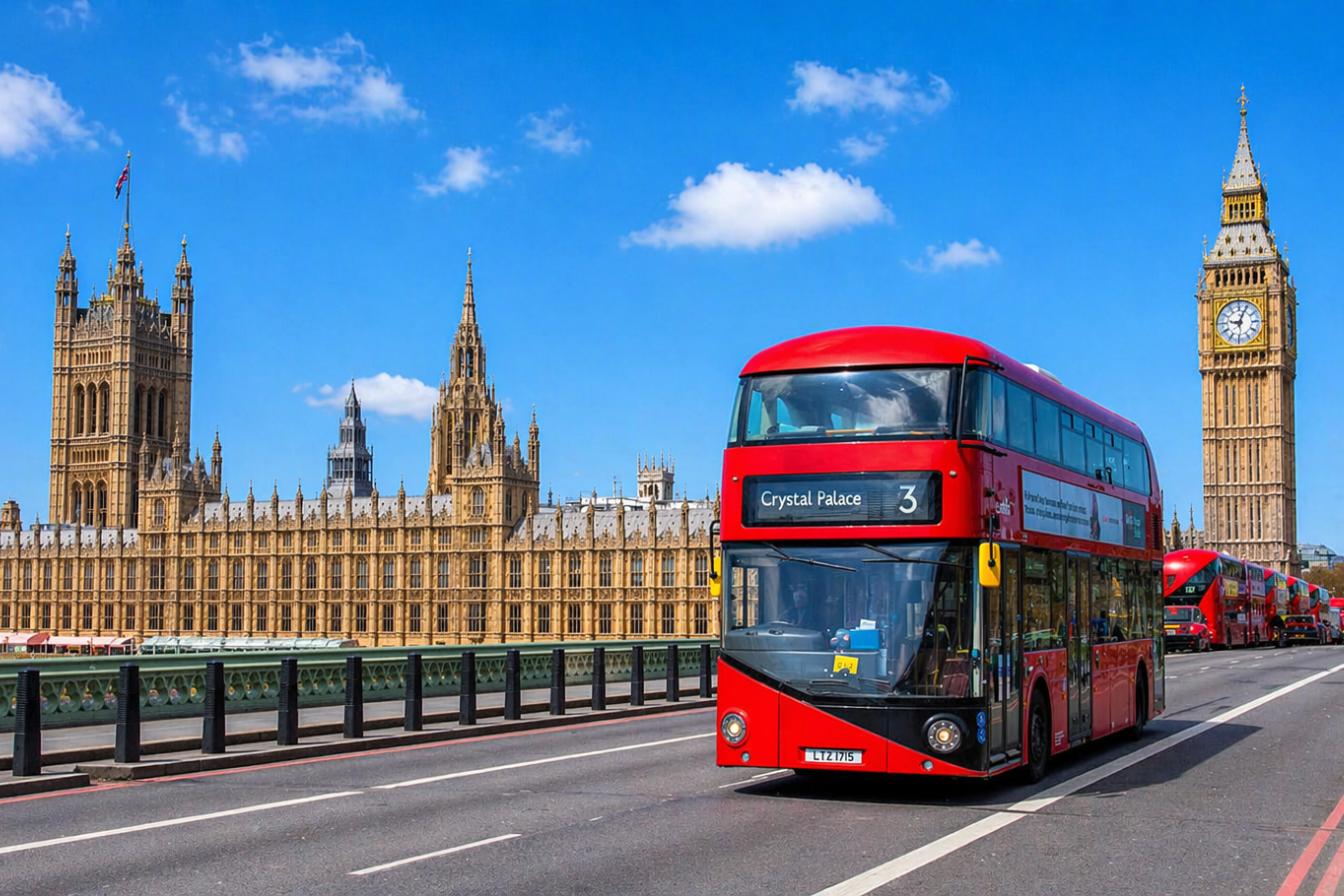
Iconic landmarks such as the Eiffel Tower, Big Ben / Houses of Parliament, Colosseum, Leaning Tower of Pisa (on some itineraries), canals of Amsterdam, and more.
3 major cities in 2–3 countries (most commonly London–Paris–Amsterdam/Brussels or Rome–Florence–Venice).
A good mix of famous sights, historic centers, and cultural experiences.
You’ll leave with strong “I’ve been to Europe” memories and classic photos from the must-see places.
What you will not see in depth:
Smaller towns, countryside, or hidden gems.
Deep exploration of any single city (you usually get only 1–2 full days per destination).
Additional countries or regions like Switzerland, Spain, Scandinavia, or Eastern Europe.
One well-chosen 7-day Europe Tour Package gives you an excellent sampler of Europe’s biggest highlights. It is a great starting point, but most people who enjoy it later return for longer, slower trips (10–14 days or more) to explore specific countries in greater depth.
You can explore and book 7 Days Europe Tour Packages here.
A Typical Tour Day in Paris on a 7-Day Europe Package
One day of a 7-day Europe itinerary, hour by hour, the way the guided tours actually run it.
8:00 amCoach departs hotel, guide briefs the day
8:30 amChamps-Élysées approach, Arc de Triomphe stop
12:00 pmLunch in the Latin Quarter, guide-recommended brasserie
1:30 pmMusée d’Orsay or Louvre, two-hour museum block
3:30 pmFree time in Saint-Germain-des-Prés
5:00 pmMontmartre and Sacré-Coeur, guided walk
6:30 pmReturn to hotel area
8:00 pmOptional Seine dinner cruise, group gathers
A 7-day Europe tour asks something specific of everyone who books it: the willingness to see cities in depth rather than in full. Paris in one day is not Paris completely. It is Paris on a single day, and the job of the 7 Days Europe Tour Packages guide is to make that day count in a way that gives clients a working relationship with the city rather than a checklist of photographs. The guides who do this well understand that the Eiffel Tower at 9am with the morning light still low and the crowds not yet at full density is a different experience from the Eiffel Tower at 2pm, and they build the day’s sequence around that knowledge rather than following a fixed script regardless of conditions.
The Eiffel Tower is the arrival point of Paris for most first-time visitors and the guides address this directly. The structure was built for the 1889 World’s Fair as a temporary iron lattice tower and was nearly demolished when the fair ended. It survived because it proved useful as a radio transmission tower, which is one of those pieces of architectural history that most people carrying a camera in front of it have never considered. The guides explain Gustave Eiffel’s engineering logic, the political controversy that surrounded the construction among Parisian artists and intellectuals, and the specific irony of a building that was despised on completion and has since become the most visited paid monument on earth. This reframing is the difference between a photograph and an understanding.
Here is what we tell clients honestly before the Paris day on a 7-day Europe package: the pace is real and the city deserves more time than a single day provides. This is a structural feature of a tour that covers six countries in seven days and the guides are honest about it rather than pretending otherwise. What the single day does provide is orientation, the working knowledge of where things are in relation to each other that clients who return to Paris independently find immediately useful. The Marais is east of the Centre Pompidou, Montmartre is north of the Grands Boulevards, the Left Bank runs from the Musée d’Orsay through Saint-Germain to the Latin Quarter. The guides walk clients through the map at breakfast so the day navigates rather than simply transports.
The Musée d’Orsay is the museum stop the guides favor over the Louvre for the 7-day format, and the reasoning is sound. The Orsay’s collection of Impressionist and Post-Impressionist work, housed in a converted railway station whose building is itself an exhibit, is more accessible in a two-hour block than the Louvre’s encyclopedic scope. Clients who have never stood in front of a Monet or a Van Gogh in person consistently describe the experience as different from reproduction in a way that justifies the museum stop over additional street time. The guides identify two or three specific works before entry and give clients a framework for what they are looking at rather than releasing them into 80 rooms without orientation.
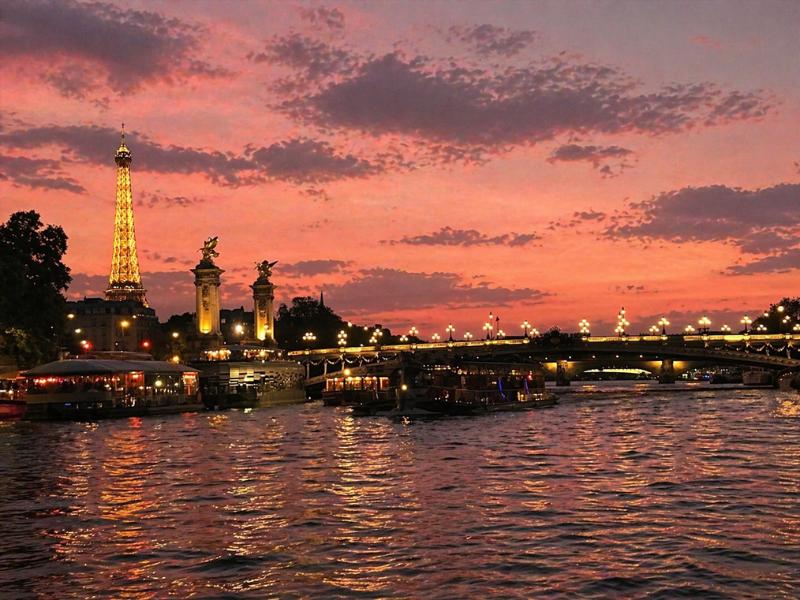
Montmartre in the late afternoon provides the close the day earns. The hill above Paris, the highest point in the city, is where the Impressionists lived and worked in the 19th century when the neighborhood was still a village outside the city boundary, and the guides walk the streets of the old village section before ascending to the Sacré-Coeur basilica at the summit. The view from the basilica steps takes in the entire city spread below in the softening late afternoon light, the Eiffel Tower visible to the southwest and the density of Haussmann’s boulevards visible as a coherent urban form from this elevation. The Seine dinner cruise that closes the evening for clients who book it passes under the bridges of central Paris in the dark, the illuminated monuments on both banks providing the specific image of Paris that the whole day was working toward.
Average Tour Prices for 7-Day Europe Tour Packages
Tap a column heading to sort.
Prices below are what you’ll pay when booking through verified operators online. They are current as of early 2026. A 7-day Europe tour package is a structured multi-country or multi-city itinerary with accommodation, ground transport, guided sightseeing, and daily breakfast included. These packages are designed primarily for first-time or time-constrained visitors to Europe who want a curated introduction to the continent’s highlights without managing individual bookings for trains, hotels, and tours across multiple countries. The packages below depart from or route through major European hub cities; most require international flights to reach the starting point, which are not included unless specifically noted. Prices are per person based on double occupancy.
7 Days Europe Tour Packages: What Each Itinerary Costs Online
Multi-Country Europe Tours (7 days / 6 nights, all ground transport and hotels included)
All packages include 6 nights of accommodation (3 to 4-star, centrally located), daily breakfast, all ground transport between destinations, English-speaking tour guide, and guided sightseeing at major stops. The $910 Frankfurt circular is notably affordable because it stays within a tighter Central European geography and uses coach transport rather than trains. The $1,835 Mediterranean Express is higher partly because it travels exclusively by train rather than coach, a significantly more comfortable and scenic format. The Istanbul to Dubrovnik tour at $2,471 includes a flight from Istanbul to Sofia; all other tours are land-only. Prices are per person based on double occupancy; single supplement applies for solo travellers.
Online vs. Build Your Own Itinerary vs. High-Street Travel Agent: How Booking Method Affects What You Get
Book Online in Advance (via verified operators like 7 Days Europe Tour Packages)
$910 to $2,471 per person
Low: accommodation, transport, and guides all pre-arranged; July and August departures on the Europe Taster and Mediterranean Express fill weeks ahead; free cancellation typically available up to 30 to 60 days ahead depending on the operator’s policy
Build Your Own Independent Itinerary (book trains, hotels, and city tours separately)
Highly variable; typically $1,200 to $2,500 for comparable quality, plus significantly more planning time
Medium to High for first-timers: independent travel in Western Europe is entirely practical and the train network is excellent; the package format adds genuine value for visitors who do not want to spend weeks researching rail connections, comparing hotel locations, and managing timing across six countries; independent visitors gain flexibility at the cost of logistics management
High-Street Travel Agent (book a Europe tour package through a travel agency)
Comparable to or slightly above direct online platform rates
Low: traditional travel agents offer Europe package tours from major operators including Trafalgar, Insight, Cosmos, and Contiki; the packages are broadly similar in structure to those above; direct booking through the tour operator’s own platform (which is what platform-based bookings like these deliver) is typically at or below agency rates
The Honest Case for Booking with 7 Days Europe Tour Packages in Advance
Seven days is a tight but workable window for a structured introduction to Europe if the itinerary is well-designed. The packages listed here represent a specific travel format: group coach or train tours that move between cities each day or every two days, with guided visits to the major sights and evenings free for independent dining and exploration. The format is explicitly for first-time visitors who want maximum geographic coverage rather than depth in a single destination, and for visitors whose work or school schedule genuinely limits the available window to one week.
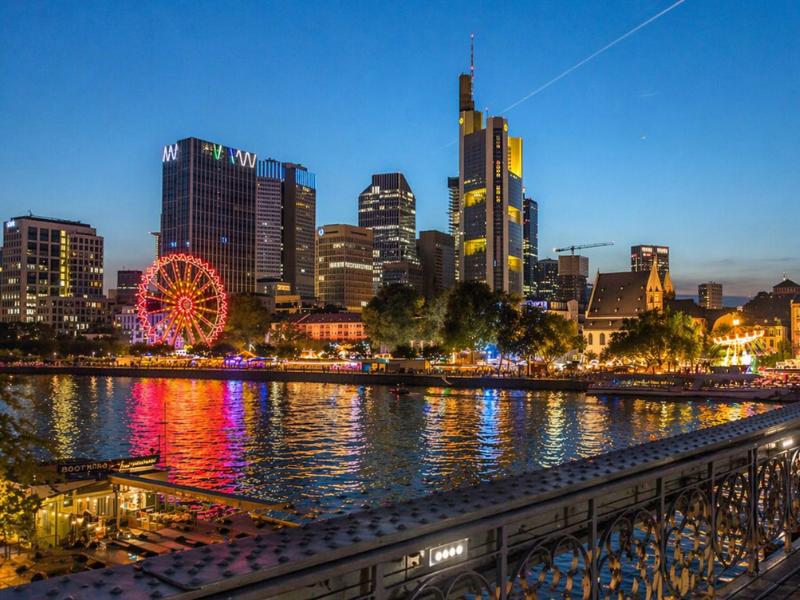
The $910 Frankfurt circular is the most compact and cost-effective package in the portfolio, keeping to a Central European geography that allows efficient ground travel. Prague, Budapest, and Vienna form one of the strongest architectural trios in Europe: Prague’s medieval old town, Budapest’s grand Austro-Hungarian boulevards and thermal bath culture, and Vienna’s imperial museums and concert halls are each genuinely distinct, and the Danube River cruise between Budapest and Vienna is one of the more pleasurable day transitions available in European group travel. The Swiss Alps inclusion adds a landscape element that contrasts sharply with the Central European cities.
The Mediterranean Express at $1,835 is priced higher partly because train travel is intrinsically more comfortable and scenic than coach across the same distances, and partly because the Rome, Nice, and Barcelona combination connects three of Europe’s most visited cities along a spectacular coastal and mountain corridor. The Cinque Terre coast visible from the Italian Riviera rail line, the Côte d’Azur approach to Nice, and the crossing of the Pyrenees into Catalonia are all among the great European rail journeys, and the tour packages them as a single itinerary rather than requiring visitors to book each segment independently.
The Istanbul to Dubrovnik Balkans tour at $2,471 occupies a different category from the others and warrants its own framing. The Balkans are among the most historically dense and architecturally varied regions in Europe and among the least visited by standard package tourists; Istanbul, Sofia, Skopje, Prizren, Tirana, Kotor, and Dubrovnik cover Ottoman, Byzantine, communist-era, and Venetian architectural traditions across seven cities in seven days. The flight from Istanbul to Sofia is included because the land crossing would add a full day of transit that would require dropping a city. For visitors who have already done Western Europe and want something genuinely different, this is the most intellectually rewarding itinerary in the portfolio.
How to Plan a 7-Day Europe Tour
Seven days in Europe is a real trip rather than a preview, provided the itinerary is honest about what it can and cannot do. The most popular packages cover three countries and three major cities, usually in the London, Paris, Amsterdam or Rome, Florence, Venice configurations, and the pace is deliberately energetic: you move between destinations every two to three days, see the landmark sites with a guide, have some free evening time, and return with a clear picture of what you most want to come back and explore more slowly. The logistics, the hotels, the train connections, and the ticket queues are handled; you show up and concentrate on the experience. Here is what the team at 7 Days Europe Tour Packages tells first-timers when they plan their week.
1
Fly into the gateway city for your chosen route and plan your arrival for the day before the tour starts.
The western Europe routes typically start in London, with Heathrow (LHR) and Gatwick (LGW) receiving direct flights from North America, Australia, the Middle East, and other major regions. The Mediterranean routes usually start in Rome, with Fiumicino (FCO) as the main hub. Arriving the day before the tour departs rather than on the morning of departure removes the risk of a delayed flight costing you the first day, allows you to recover from jet lag in a quiet way, and gives you a few bonus hours in a European capital before the structured itinerary begins. Most operators can book you an additional hotel night in the start city at a reasonable rate.
2
Choose your route based on what matters most to you rather than on how many countries the itinerary covers.
The western circuit through London, Paris, and Amsterdam gives you three genuinely different cities with distinct characters, connected by Eurostar and high-speed rail in under three hours per leg. The Mediterranean circuit through Rome, Florence, and Venice gives you three cities within a single cultural tradition, each with a different relationship to Italian art, history, and food, connected by Frecciarossa trains on the same main line. The eastern European circuit through Budapest, Prague, and Kraków or Berlin offers lower prices, fewer tourists at the major sites, and a different historical register than the western capitals. The Balkans circuit from Istanbul to Dubrovnik is the most adventurous and logistically complex. None of these is better than the others in absolute terms; they are different trips for different interests.
3
Pack one medium suitcase and a daypack, and nothing more.
The practical constraint on a multi-city seven-day tour is luggage: you will be moving it on and off trains, through hotel lobbies, and in and out of overhead compartments on a schedule that is not sympathetic to oversized bags. The experienced travellers on these tours are the ones with a carry-on-sized rolling bag, a comfortable daypack, and a capsule wardrobe of five or six pieces that mix well. Comfortable, broken-in walking shoes are the single most important item you will pack: the daily walking distance on sightseeing days runs to five to eight kilometres on cobblestone streets, and new shoes purchased the week before departure will have produced blisters by day two.
4
Understand what the pace actually means before you book.
A seven-day tour through three countries visits each city for roughly two days, sometimes less. That is enough time to see the major landmarks with a guide, to eat at a recommended restaurant, and to walk through the historic centre with some sense of orientation. It is not enough time to feel unhurried in any single place. The tour is designed to give you a comprehensive first impression of Europe rather than a deep experience of any one part of it. Most people who take a first seven-day tour come back with a short list of places they want to return to for a week or more on their own, and that is the correct outcome: the structured package gives you the framework, the longer independent trip later fills in the depth.
5
Arrive at each departure point with time to spare.
The tour runs on a fixed schedule, and the high-speed trains between cities depart at specific times regardless of whether a member of the group has not arrived yet. Breakfast ends, the coach departs for the station, and the train leaves. The practical recommendation is to treat every scheduled departure as if it is fifteen minutes earlier than stated, to have your bags packed the night before any travel day, and to keep your passport, train tickets, and booking confirmation in a consistent accessible location throughout the week. Tour managers are experienced at managing group logistics, but they cannot hold a Eurostar for a late riser.
6
Use the free evening time actively rather than returning to the hotel.
Most seven-day itineraries provide guided sightseeing through the day and free time from the early evening onward. This is the part of the trip that most participants describe as the best, often more than the guided tours themselves: dinner at a genuinely local restaurant rather than the obvious tourist places near the main square, a walk along the Seine after the Eiffel Tower crowds have thinned, an evening in the Trastevere neighbourhood in Rome, a canal-side beer in Amsterdam at dusk. The tour manager’s recommendations for evening restaurants are usually worth following; they have run this route many times and know which places are good rather than just convenient.
7
Take travel insurance without treating it as optional.
A seven-day trip crossing multiple countries, involving high-speed train connections, and timed to a fixed group departure creates several scenarios where something going wrong at the wrong moment is genuinely expensive without coverage. A flight delay that causes you to miss the first day in London, a medical issue in Paris, a bag lost on the Florence to Venice train: these are low-probability events but high-cost ones. Most operators offer insurance at checkout and the price is modest relative to the tour cost. If your credit card provides travel insurance, confirm the coverage details before departure rather than assuming it covers everything.
8
The one thing most first-timers get wrong:
booking a departure that arrives in the gateway city on the same morning the tour starts, assuming the schedule will hold. Long-haul flights from the United States, Australia, or Asia to London or Rome involve crossing multiple time zones on aircraft that are not immune to delays, and the consequences of a missed first day on a seven-day itinerary are disproportionate. Arriving the night before the tour costs one additional hotel night, which typically runs between sixty and one hundred and twenty pounds or euros depending on the city. That one night is the cheapest insurance on the entire trip. Every client who has landed in London or Rome six hours late on the morning their tour started has said the same thing. Arrive the day before.
Location
The packages on this site span the length and breadth of Europe, connecting capital cities and landmark destinations across Western, Central, Mediterranean, and Northern Europe — from London and Paris in the west to Prague, Vienna, and Budapest in the centre, Rome, Florence, and Venice in the south, and Tromsø in the Arctic north. Most international visitors arrive into one of Europe’s major hub airports — London Heathrow (LHR), Paris Charles de Gaulle (CDG), Amsterdam Schiphol (AMS), or Rome Fiumicino (FCO) among the busiest — with the continent’s dense high-speed rail network then carrying travellers efficiently between cities, often faster and more centrally than flying. Europe’s compact geography means that crossing multiple countries in a single week is genuinely practical, and the continent’s extraordinary diversity of language, cuisine, architecture, and landscape — compressed into distances that would barely register on other continents — is precisely what makes a seven-day sampler so rewarding. Take a look at the map below to see where our packages travel across Europe.
Guarantee Your Spot with 7 Days Europe Tour Packages
A seven-day Europe tour package is a confirmed group departure — a specific date, a specific coach or train configuration, a specific set of hotel rooms across three or four countries, and a tour manager whose calendar is committed to that group from day one to day seven. The Europe Taster crossing six countries has over 3,700 bookings. The Frankfurt Central and Eastern Europe circular tour has 543 bookings. The Glimpse of Europe ending in Paris has 253 bookings. The Mediterranean Express by scenic rail through Rome, Pisa, Nice, and Barcelona has 171 bookings and a 4.9 rating. The Budapest to Berlin Eastern Europe adventure has 133 bookings and a 4.8 rating. Every one of these products operates with a maximum group size, a fixed hotel allocation, and a confirmed departure calendar. When a summer Saturday departure fills, it does not expand.
Book before your European summer or autumn travel window is decided around the departures that are still available rather than the ones you actually want. The June departure with the tour manager who has led this itinerary forty times and the hotel block in central Paris on a Saturday night — those are held for confirmed travelers.
What you lock in when you book in advance:
A seat on the specific departure date before the group fills. Each 7-day Europe tour departure operates with a maximum of 30 to 45 travelers, depending on the coach and hotel contracts. The June and July departures for the Europe Taster — the six-country week through the UK, France, Switzerland, Germany, the Netherlands, and Belgium — are the most popular dates on the calendar. They fill progressively from confirmed bookings made between January and April. A traveler who decides in May that they want a July departure finds the July seats already committed to people who decided in February. Booking through 7 Days Europe Tour Packages confirms the specific departure before the remaining seats close.
The hotel block in each city before the rooms are reallocated. Every multi-city Europe tour package holds a specific number of rooms at specific hotels across the entire itinerary — London, Paris, Amsterdam, Rome, Florence, or wherever the route goes. Those rooms are contracted as a block against confirmed group departures. When the tour operator’s block at the Paris hotel is full, the tour operator cannot simply add rooms at the same property. The confirmed booking is what holds the room in the hotel that is five minutes from the Eiffel Tower rather than the one that requires a forty-minute metro commute from the edge of the city.
The high-speed train seats that complete the itinerary as designed. The Mediterranean Express travels Rome to Pisa to Nice to Barcelona by train rather than coach — a product with a 4.9 rating and 171 bookings built around a specific sequence of rail segments. Eurostar, TGV, and Frecciarossa seats in the peak summer season are revenue-managed products that cost significantly more as departure dates approach and availability narrows. The tour operator’s contracted allocation of seats on the relevant trains is reserved against confirmed group departures. The traveler who books the tour in February travels on the seats allocated to the confirmed group. The traveler who enquires in late June about a July Mediterranean Express departure may find the rail component cannot be assembled at the contracted price.
The single room allocation before the supplement and availability both deteriorate. Solo travelers joining a 7-day Europe tour package pay a single supplement to secure their own room. The hotels contracted for each departure have a limited number of single rooms available within the group block — typically three to six per departure, depending on the property. When those single rooms are committed to confirmed solo travelers, subsequent solo bookings either move to a waiting list or require a different room category at a higher price. Solo travelers who confirm early get the single room at the standard supplement. Solo travelers who wait find the allocation gone and the fallback options less attractive.
The deposit price before the cost increases closer to departure. Multi-day Europe tour packages operate on graduated pricing — a deposit of 20 to 30 percent secures the booking at the advertised rate, with the balance due 45 to 60 days before departure. As departures approach and remaining availability narrows, operators commonly adjust pricing upward on remaining seats. The rate available in February for a June departure is the early-booking rate. The rate available in May for the same departure, if seats remain, reflects the reduced availability. A booking made through 7 Days Europe Tour Packages at the advertised price locks the rate before the calendar moves against the traveler.
Seven days is enough to see three countries, four iconic cities, and enough of Europe’s railways, cathedrals, and canal-side cafés to understand why people return for a lifetime. The departure date that fits your calendar, at the price that was available when you planned the trip, is confirmed through a booking made before the summer season opens.
Helpful articles about 7-day Europe tour packages
Guides and straight answers to plan the week: which routes reach the Swiss Alps, how seven days compares with ten or fourteen, what the trip really costs once flights and meals are counted, and which of the six itineraries fits how you travel.