Booking A 7-Day Europe Tour From The USA: Gateway Cities, Flights, And What To Expect
The Europe Taster pulls out of Greenwich Station at 6:30 in the morning on day one. If your flight from the United States touches down at Heathrow at 7:15 that same morning, the coach is already somewhere south of the Thames without you, and nothing in the booking covers that. One small scheduling decision, made months earlier at a laptop in Ohio or Oregon, is what separates the traveler who is on that coach from the traveler who is not.
Confirm the departure, meeting point and finish time before committing to flights. These are city-based land tours, not transatlantic packages.
In Brief: The Frankfurt loop uses the same gateway at both ends. Keep airport transfers and hotel nights outside the seven-day tour in your flight plan. Explore The Frankfurt Route

Cost examples below use this site’s earlier USD figures to illustrate the arithmetic, not current quotations. Price your actual date and room arrangement on the provider.
Every one of the six routes on this site is a land package, so the two flights that bracket your week are yours to book, and four of the six do not end where they started.
Our team read the inclusion lists on all six operator listings line by line before writing this page, because the phrase "Flight Included" sits in one of the tour titles and means something far narrower than most American readers assume when they see it. What follows is the international leg: which airport each route starts from, which one it drops you at, what kind of ticket that calls for, when to land, when you can realistically fly home, and which documents a US passport needs before any of it matters. The question of flights between the European cities is answered on the six seven-day Europe packages themselves, in the homepage FAQ. This page is about the ocean.
Where each seven-day route starts and where it leaves you
Start and end cities are taken from the six operator itineraries on this site. Open jaw means the route ends in a different city from the one it begins in.
Do Europe Tour Packages From The USA Include Your Transatlantic Flights?
No. Not one of the six seven-day routes sold here includes airfare from the United States. Two listings rule out international flights in plain language, two more exclude the flights to and from their own start and end cities, and the tour titled Flight Included covers only a short Istanbul to Sofia hop on day three, inside the itinerary.
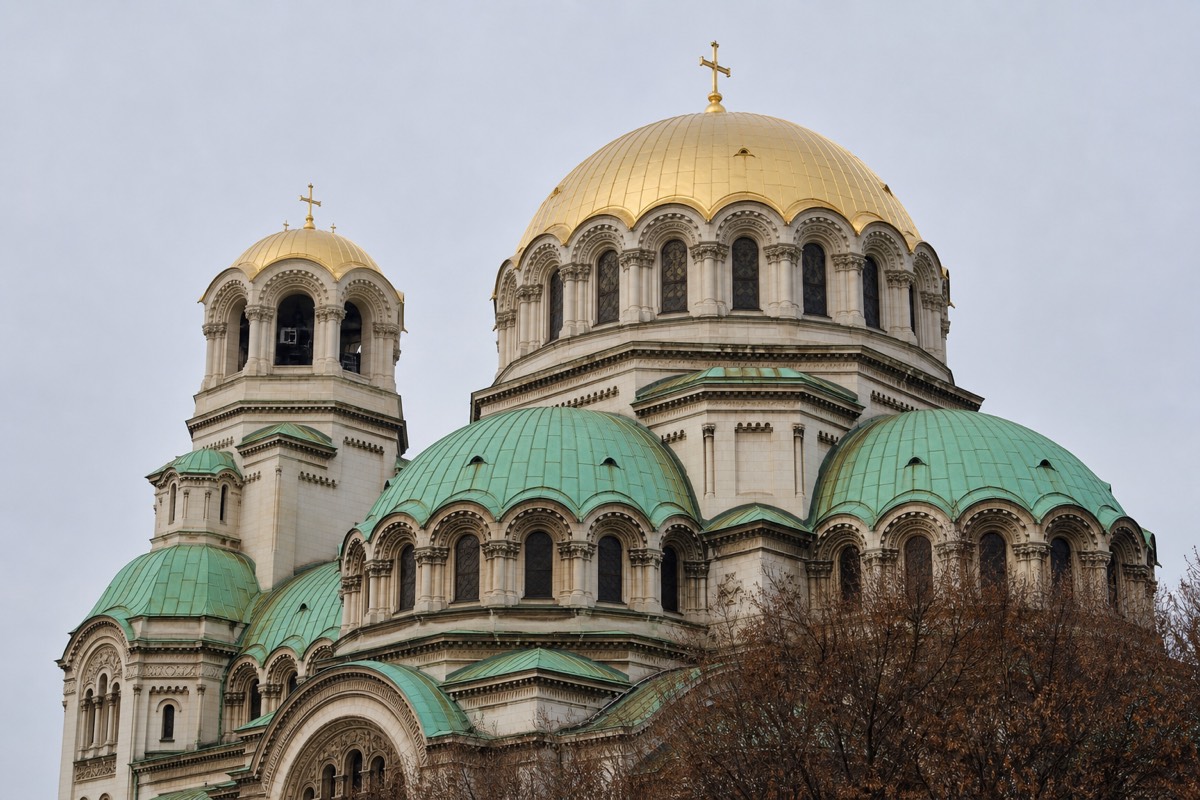
This is the single most common misreading we see, and it is easy to understand why. American package holidays to Mexico or the Caribbean are usually sold air-inclusive, so the mental model arrives pre-loaded. European group touring works the other way around. The operator sells you the ground product, the hotels, the coach or the rail tickets, the guide, the breakfasts, and assumes you will arrange your own way to the start line from wherever you live. A traveler flying in from Sydney and a traveler flying in from Chicago buy exactly the same package at exactly the same price.
The Istanbul to Dubrovnik title deserves its own sentence, because it is the one that misleads. The flight it names is the day-three leg from Istanbul to Sofia, flown as part of the itinerary because the overland alternative would eat a full day of a seven-day week. That flight is genuinely included, and it is genuinely useful. It has nothing to do with getting you from Newark or Los Angeles to Turkey. If you book the 14-person Balkans small-group route expecting your transatlantic ticket to be in the box, you will be $1,000 or so short in your budget before you start.
| Route | What the operator listing actually says | What that means from the United States |
|---|---|---|
| Europe Taster (London to London) | "International Flights to/from London" appears under what is not included | You buy a round trip to London |
| Frankfurt circular | The included list covers hotels, tour manager, breakfasts and coach travel. No air travel of any kind appears on it | You buy a round trip to Frankfurt |
| Budapest to Berlin | "Flights to Budapest and from Berlin" listed as not included | You buy an open-jaw ticket, in to Budapest, out of Berlin |
| Glimpse of Europe (Amsterdam to Paris) | "International Flights to/from Europe" listed as not included | You buy an open-jaw ticket, in to Amsterdam, out of Paris |
| Istanbul to Dubrovnik | Included: "Flight: Istanbul to Sofia (Day 3)". Nothing else about air travel | You buy an open-jaw ticket, in to Istanbul, out of Dubrovnik |
| Mediterranean Express (Rome to Barcelona) | "Flights to Rome / from Barcelona" listed as not included | You buy an open-jaw ticket, in to Rome, out of Barcelona |
Read that right-hand column again, because it contains the point of this entire guide. Four of the six routes need a ticket that most American travelers have never bought.
Which Airport Does Each Of The Six Europe Tour Packages Start And End At?
Two routes are circular and return you to their starting city, not the airport: the Europe Taster at London and the Frankfurt circular. The other four leave you in a different city and usually a different country: Berlin, Paris, Dubrovnik and Barcelona. Confirm both ends of your route before you open a single flight search.
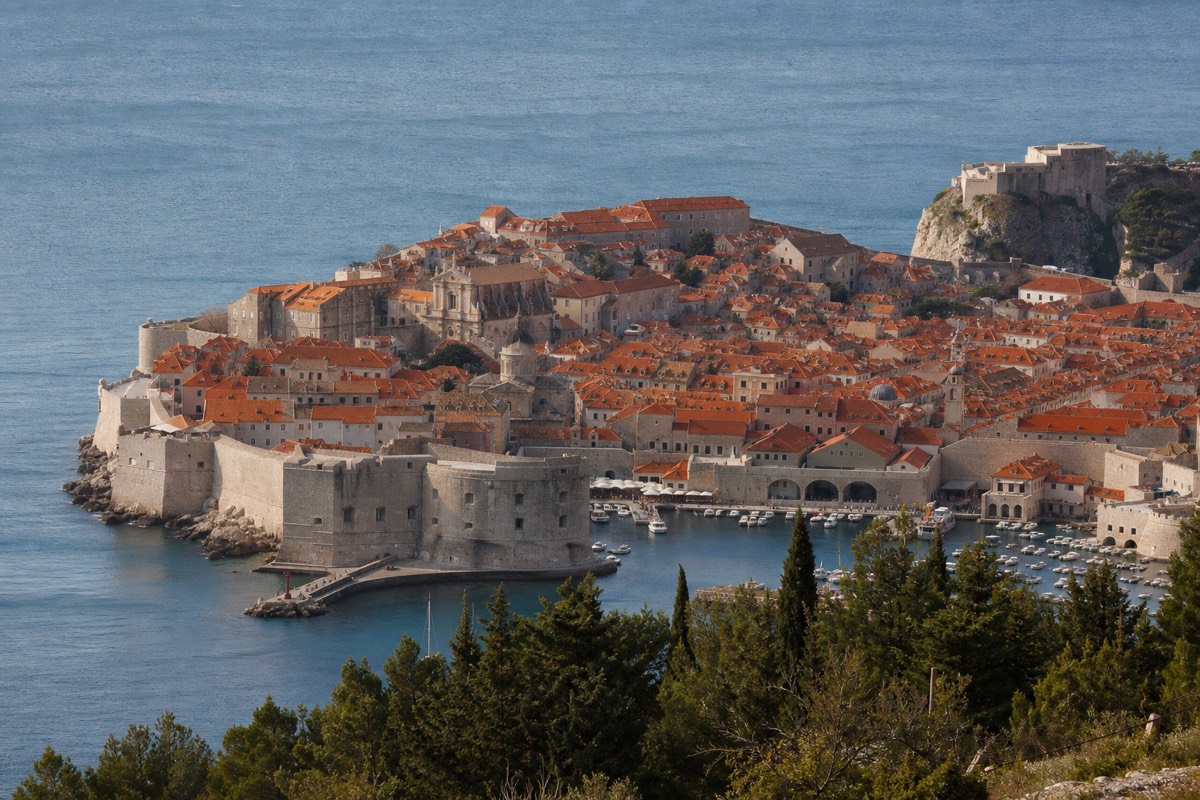
Group tours quote a start city and an end city, not an airport, because the meeting point is typically a hotel or a train station in the center rather than a terminal. The Europe Taster gathers at Greenwich Station in London and hands you back there. The Frankfurt circular begins and finishes at Frankfurt Central Train Station. Both of those are city-center rail stations, well connected to their airports, but neither is the airport itself, and the transfer time in between belongs to you.
For the four one-way routes, the gap between arrival and departure city is the whole trip. The Amsterdam-to-Paris Glimpse of Europe route starts on a glass-roofed canal boat in the Netherlands and ends under the Arc de Triomphe in France. The Rome to Barcelona rail route starts in Italy and ends in Spain, having passed through Monaco on the way. In both cases a plain round-trip ticket to the start city means paying for a European flight or a long train ride back at the end, on your own time, at the end of a fast week.
| Route | Fly into | Main airports | Fly home from | Main airports | Same city? |
|---|---|---|---|---|---|
| Europe Taster | London (Greenwich Station) | LHR, LGW | London | LHR, LGW | Yes |
| Frankfurt circular | Frankfurt (Central Station) | FRA | Frankfurt | FRA | Yes |
| Budapest to Berlin | Budapest | BUD | Berlin | BER | No |
| Glimpse of Europe | Amsterdam | AMS | Paris | CDG, ORY | No |
| Istanbul to Dubrovnik | Istanbul | IST, SAW | Dubrovnik | DBV | No |
| Mediterranean Express | Rome | FCO | Barcelona | BCN | No |
One practical note on the last row of that table. Dubrovnik's airport is small and heavily seasonal, and it does not carry anything like the long-haul traffic of Heathrow, Fiumicino or Schiphol. Direct US service, where it exists at all, tends to run only in summer. Plan on connecting through a European hub on the way home from the Balkans and check live schedules for your travel month rather than assuming a nonstop will be there.
Open-Jaw Or Round Trip: Which Ticket Do US Travelers Need?
Two of the six routes take a normal round-trip ticket. The other four need an open-jaw, also sold as a multi-city itinerary: you fly into one European city and home from another on a single booking. Priced as one ticket it usually costs little more than a round trip, and it saves a wasted travel day at the end.
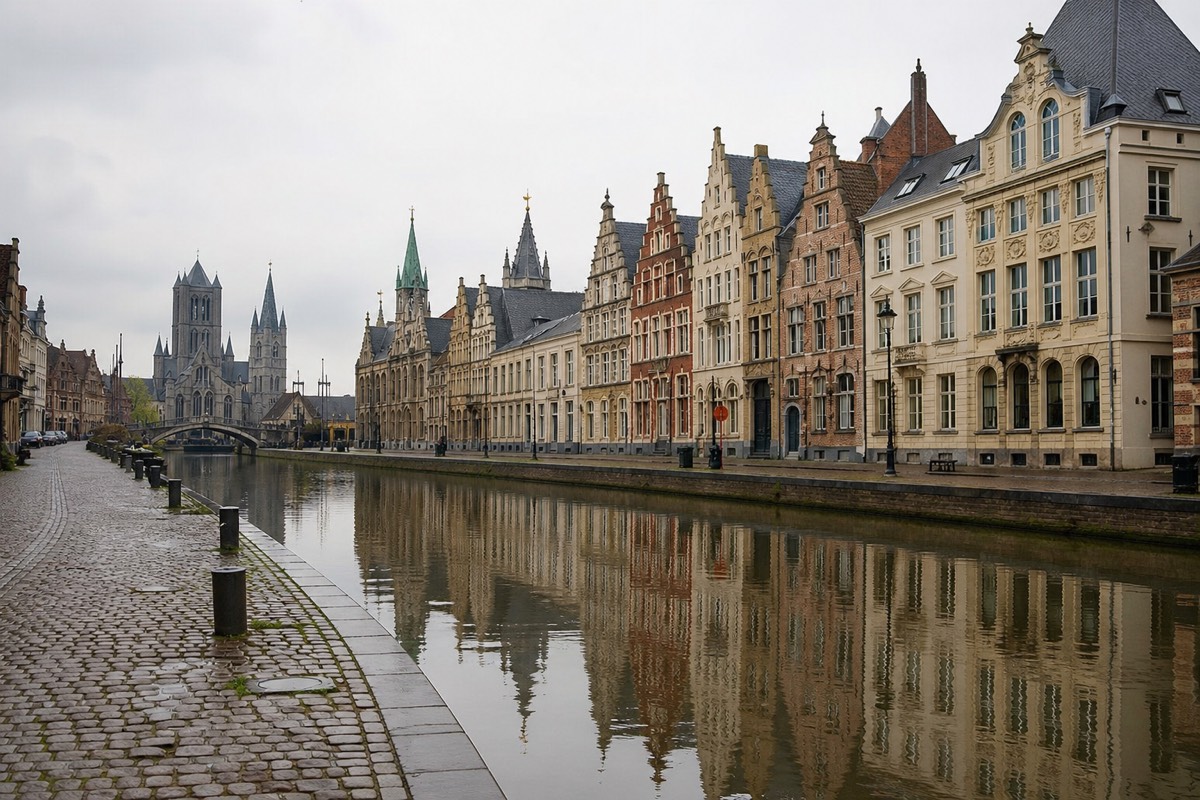
Every major airline search, and every booking site worth using, has a "multi-city" tab next to "round trip" and "one way". That tab is where an open-jaw lives. You enter your home airport to Amsterdam on the outbound, then Paris to your home airport on the return, and the system prices the two legs as one fare. Booked this way the trip stays a single contract, which matters if a delay on the outbound cascades. Two separate one-way tickets on two different airlines give you no such protection, and the price is often worse.
The alternative that costs people money is buying a round trip to the start city and then solving the ending later. On the Budapest to Berlin rail trip that means a Berlin to Budapest flight or a long rail day tacked onto the end of a week that already involves an overnight train and a 5:00 a.m. departure. It is doable. It is also a full day and a second fare spent undoing a booking decision you could have made correctly in thirty seconds.
| Route | Ticket to search for | How to enter it | What it avoids |
|---|---|---|---|
| Europe Taster | Round trip | Home airport to London, return same | Nothing to avoid, the route is circular |
| Frankfurt circular | Round trip | Home airport to Frankfurt, return same | Nothing to avoid, the route is circular |
| Budapest to Berlin | Open jaw | Multi-city: home to BUD, BER to home | A Berlin to Budapest backtrack on day 7 |
| Glimpse of Europe | Open jaw | Multi-city: home to AMS, CDG to home | Paying twice to get back to the Netherlands |
| Istanbul to Dubrovnik | Open jaw | Multi-city: home to IST, DBV to home | A long connection back across the Balkans |
| Mediterranean Express | Open jaw | Multi-city: home to FCO, BCN to home | A Barcelona to Rome return leg after the last night out |
If you are still choosing between routes and the ticket question is part of the decision, our route-by-route comparison of the six lays the itineraries side by side. The two circular routes are the simplest to book from the United States, and that simplicity is a genuine argument in their favor for a first European trip.
When Should You Land? An Arrival-Timing Example For A US Traveler
Land at least one full day before your tour starts. Every operator behind these six routes says some version of the same thing on its own listing, and the Europe Taster makes the case by itself: its day-one coach leaves at 6:30 in the morning, which no arriving transatlantic flight can safely feed.
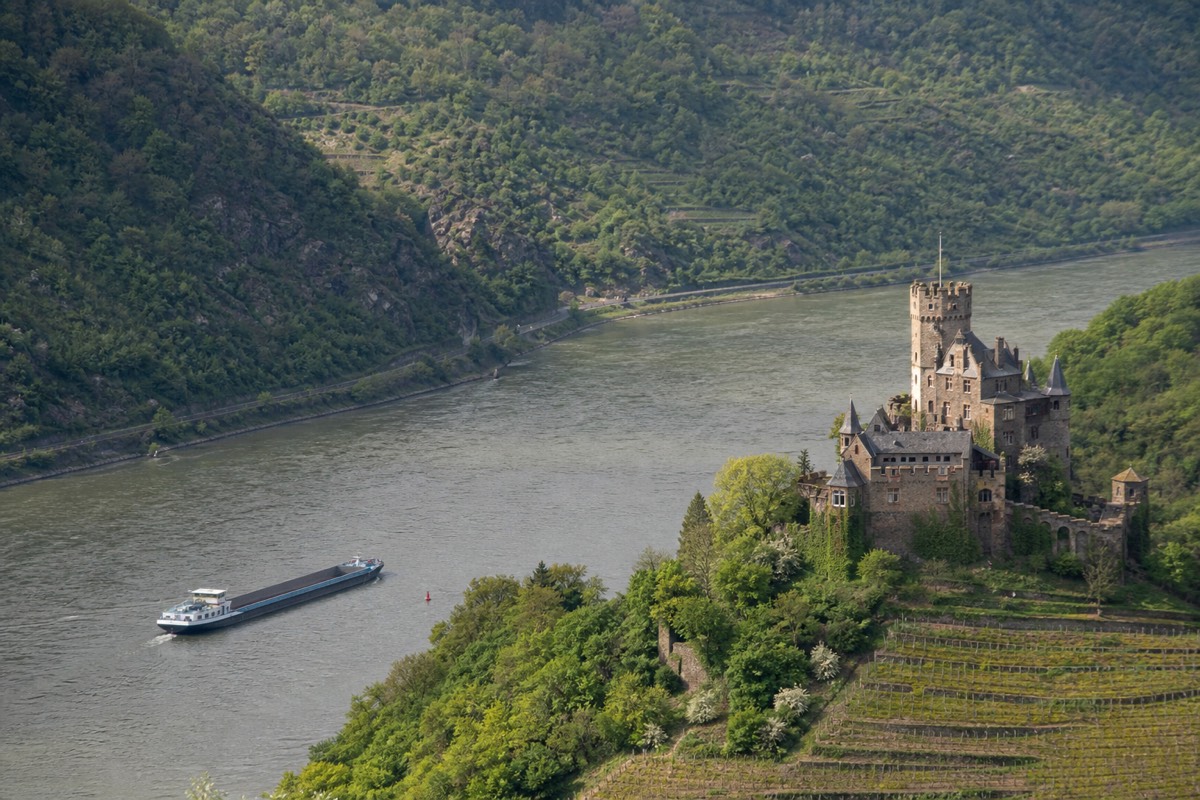
Work the arithmetic backwards from that 6:30 departure rather than forwards from a flight time. You need to be awake, packed, checked out and standing at the meeting point before it. That means being in a London bed the night before. A same-morning arrival asks a long-haul flight, passport control, baggage reclaim, a transfer across a large city at the start of rush hour, and a hotel that will not have your room ready anyway, all to line up perfectly in about an hour. Airlines are not built for that margin and neither are you.
The other operators publish similar advice on their own pages. The Budapest to Berlin listing tells travelers to arrive in Budapest 24 hours early. The Balkans small-group tour says the same about Istanbul. The Mediterranean Express goes further and suggests one to two days early in Rome, partly because its own day one is a welcome meeting rather than a full sightseeing day, and partly because the Roman Forum and the Vatican are not on the itinerary at all. That extra Rome day is not padding, it is the only chance you get at the sights the tour skips.
| What has to happen | Landing on the morning of day 1 | Landing the afternoon before |
|---|---|---|
| Gap between wheels down and the 6:30 a.m. coach | Under an hour, if nothing goes wrong | Roughly 16 hours |
| Buffer for a delayed or diverted flight | None | A full night |
| Passport control and baggage reclaim | Eats the entire margin | Happens the day before |
| Airport to city-center meeting point | Rush hour, with luggage, on no sleep | Unhurried, previous afternoon |
| Sleep before a 6:30 a.m. start | Whatever you got on the plane | A night in a bed |
| What it costs | Nothing, until it costs you day one | One hotel night |
Miss the departure and there is no mechanism to catch up. The coach is on a fixed route to Paris with a welcome dinner booked at the far end. Rejoining a moving group tour on day two means buying your own Eurostar or flight to the next city and paying for a night the package already covered somewhere else.
What Time Does Each Route End, And Can You Fly Home The Same Day?
Two of the six rule out a same-day departure outright. The Europe Taster returns to Greenwich at 8:00 p.m. on day seven and the Frankfurt circular gets back at 7:00 p.m., both too late for a transatlantic flight home. The Paris and Barcelona endings leave the day open, which changes the math completely.

Day seven is not a uniform thing across these routes, and the difference is worth real money. The London-to-London Europe Taster spends its final day in Ghent and crosses the Channel in the evening, arriving back in Greenwich at 8:00 p.m. By the time you have collected a bag and reached a hotel it is late, and every US-bound departure from Heathrow left hours earlier. You need a seventh night in London and a flight the following day. The Frankfurt circular has the same shape with a 7:00 p.m. return.
The Glimpse of Europe route works differently. Its final morning is a breakfast in Paris followed by departure, so a midday or afternoon flight out of Charles de Gaulle is realistic. The Mediterranean Express ends in Barcelona with the operator's own note that you can leave at any time or stay longer, which makes a same-day Barcelona departure the normal pattern rather than a gamble.
| Route | Where day 7 leaves you | Stated finish | Same-day flight home? |
|---|---|---|---|
| Europe Taster | Greenwich Station, London | Returns 8:00 p.m. | No. Budget a seventh night in London |
| Frankfurt circular | Frankfurt Central Station | Returns 7:00 p.m. | No. Budget a seventh night in Frankfurt |
| Budapest to Berlin | Berlin | No fixed return time on the listing | Possible, but confirm with the operator first |
| Glimpse of Europe | Paris | Final breakfast, then day 7 departure | Yes, from midday onward |
| Istanbul to Dubrovnik | Dubrovnik | Day 7 ends in Dubrovnik, no published time | Only with a confirmed connection, and rarely nonstop |
| Mediterranean Express | Barcelona | Leave at any time, or stay on | Yes |
Two of those seventh nights are effectively part of the trip cost, which is exactly the kind of line item people forget when they compare tour prices. We account for it, along with the rest of the real spend, in the full cost of a seven-day Europe trip.
How Does Jet Lag Hit A Europe Tour Package That Starts Moving On Day One?
Eastbound travel is the hard direction, and these itineraries give you no recovery window. Most continental start cities run six hours ahead of the US East Coast, nine ahead of the West Coast, and Istanbul is further still. Day one moves regardless of how you feel about it.
A leisure trip absorbs a bad first day. You sleep late, you drift around a neighborhood, you find your feet by day three. A group tour does not work like that. Day one on the Europe Taster is a Channel crossing and a driving tour of Paris. Day one on the Frankfurt circular is a long transfer to Prague. Day one on the Budapest route is a night out in the ruin bars, which is a fine evening and a poor one to spend fighting sleep at what your body insists is mid-afternoon.
The practical moves are unglamorous and they work. Shift your sleep an hour or so earlier in the days before you fly. Take the overnight flight rather than the daytime one where you have the choice, and treat sleeping on it as the assignment. Get outside into daylight on your arrival afternoon instead of drawing the curtains, and hold out until a normal local bedtime. Go easy on alcohol on the plane and drink more water than feels necessary. The CDC's travel health information covers this alongside the vaccination and medication questions worth settling before any long-haul trip.
The extra night at the front of the trip is doing double duty here. It protects you against a delayed flight and it gives your body one clean local night before a week of 7:00 a.m. breakfasts. On the West Coast routing, where the time shift is nine hours, we would argue for two nights rather than one if the budget stretches to it.
What Documents Do US Passport Holders Need For Europe Tour Packages From The USA?
A US passport with comfortable validity remaining, plus the EU's ETIAS travel authorization once it is in force, plus proof of travel insurance where the operator requires it. Check the official EU pages for current requirements rather than any tour page, including this one, because the rules have been moving.
ETIAS is the European Union's travel authorization for visa-exempt visitors, US citizens included. It is not a visa. It is an online authorization tied to your passport, applied for before you travel. Its start date, its fee and its exact scope are set by the EU and have shifted more than once, so the only sensible source is the official ETIAS page. Read it when you book and read it again a month before you fly.
The Schengen area governs how long you can stay. The standing rule for visa-exempt visitors is 90 days within any rolling 180-day period across the whole area, counted as one bloc rather than country by country. A seven-day tour sits nowhere near that ceiling, but the rule matters if you are stringing this week onto a longer European trip. Which countries are inside the area has changed in recent years, so use the European Commission's Schengen area page for the current membership list rather than an older map.
The Balkans route is the one that needs genuine attention. It crosses Turkey, Bulgaria, North Macedonia, Kosovo, Albania, Montenegro and Croatia in a single week, a mix of Schengen and non-Schengen states, each with its own entry position for US passport holders. Do not take a blanket rule from anyone. Check the official EU pages above for the Schengen members and the relevant government sources for the rest, well before you book.
| What | Who it applies to | When you deal with it | Where to check |
|---|---|---|---|
| US passport, validity beyond your return date | Every route | Before booking anything | US State Department passport services |
| ETIAS travel authorization | Routes into EU member states | Before departure, once in force | The official EU ETIAS page |
| Schengen 90 days in 180 | Anyone combining this week with a longer stay | At the planning stage | The European Commission Schengen page |
| Non-Schengen entry rules | The Istanbul to Dubrovnik route above all | Before booking | Official government sources per country |
| Proof of travel insurance | Mandatory on several of the six | Carried at day-one check-in | Your policy documents, printed and on your phone |
| Health preparation | Every route | Weeks before departure | CDC travel health |
Is Travel Insurance Optional On These Europe Tour Packages?
Not on most of them. The Europe Taster, the Budapest to Berlin trip, the Mediterranean Express and the Balkans small-group tour all list travel insurance as mandatory and not included. The Glimpse of Europe listing calls it highly recommended. On one of them, proof is checked before you board.
The Europe Taster listing is explicit that insurance documents have to be ready at day-one check-in, and that a traveler without them can be refused boarding. Turning up at Greenwich at 6:15 a.m. with a policy you meant to buy is not a recoverable situation. Buy the cover when you book the tour, not the week you fly, and carry both a printed copy and a copy on your phone.
For an American traveler there is a second reason to take this seriously, and it has nothing to do with operator policy. Domestic US health plans frequently provide little or no coverage abroad, and medical care in Europe, while generally cheaper than at home, is still billed to you as a non-resident. The transatlantic ticket is also the largest single cancellable item in the trip, and it is the one an ordinary tour deposit refund does not touch.
Read what the policy actually covers against the shape of this specific trip: a fixed group departure you can miss, a week of border crossings, luggage moving on and off coaches and trains, and an expensive flight home. If your credit card provides travel protection, confirm the limits and the trip-cost cap in writing before you rely on it. The homepage FAQ covers the general insurance question, so we will leave the rest of it there.
What Does The Package Not Cover On Your Travel Days?
The two days that bracket the tour are the ones the price does not touch: airfare, the airport transfers at both ends, any hotel night before day one or after day seven, and your meals on both. On the Balkans route the operator excludes airport transfers by name at the start and the end.
Six nights of hotel is what these packages include, and a seven-day itinerary with six nights means there is no room reserved for you the night before it starts. That night is yours to book. So is the transfer from the airport to the meeting point, for every one of the six, since none of the included lists mentions one. Most of those meeting points are central rail stations well served by airport trains, so the cost is modest, but it is a cost and it needs a plan made before you land at 6:00 a.m. rather than after.
| Cost on the travel days | Europe Taster | Glimpse of Europe | Mediterranean Express | Istanbul to Dubrovnik |
|---|---|---|---|---|
| Transatlantic airfare | Not included | Not included | Not included | Not included |
| Airport transfers | Not on the included list | Not on the included list | Not on the included list | Excluded by name, both ends |
| Hotel night before day 1 | Not included, 6 nights only | Not included, 6 nights only | Not included | Not included |
| Hotel night after day 7 | Needed, 8:00 p.m. finish | Usually not needed | Usually not needed | Depends on your connection |
| Meals on travel days | Lunches self-funded | Lunches and 4 dinners self-funded | All meals, operator estimates $240 to $315 for the week | Lunches and dinners self-funded |
| Travel insurance | Mandatory, not included | Highly recommended, not included | Mandatory, not included | Mandatory, not included |
Add those lines up and a package advertised at $1,667 lands somewhere quite different by the time it is a trip. That is not a criticism of the pricing, which is transparent about what it covers. It is an argument for building the whole number before you compare routes, and for reading what a Europe tour package costs alongside the headline figures.
Who Should Add A Night At Each End Of A Europe Tour Package From The USA?
Everyone should add one at the front. Add one at the back if your route finishes in the evening, if you are connecting home through a hub, or if the start or end city holds sights the itinerary never reaches. On two of the six, the closing night is not optional at all.
The front night is the one we would never skip, whatever the route and whatever the fare difference. It converts a same-day connection with no margin into a normal arrival, and it gives you one local night of sleep before the schedule takes over. Against the cost of the week, and against the cost of missing day one, it is the cheapest protection on the trip.
The back night is route-dependent. On the Europe Taster and the Frankfurt circular it is forced by the evening finish. On the Balkans route it depends entirely on what your connection out of Dubrovnik looks like, and an early flight from a small airport after a late arrival into town is not a combination we would build on purpose. On the Paris and Barcelona endings you can genuinely fly out the same day.
Then there is the case for staying on because the city deserves it. Rome is the strongest example: the Mediterranean Express uses it as a starting point and never visits the Colosseum or the Vatican, both of which need pre-booked tickets and half a day each. Barcelona at the other end has the same issue with the Sagrada Família. Istanbul rewards an extra day, Paris obviously does, and Berlin is a city people wish they had given more than an afternoon. If you are weighing whether a structured week is the right frame for any of this, the honest case for and against group tours is worth reading before you book the flights.
In What Order Should You Book A Europe Tour Package From The USA?
Tour first, flights second, always. Group departures run on fixed dates with finite seats, and the small-group Balkans route caps at 14 travelers. A flight booked before the tour is confirmed is a bet on availability you have no reason to make.
The sequence that works is short. Pick the route. Confirm the departure date and get written confirmation of the meeting time and place for day one, which is where the 6:30 a.m. detail on the Europe Taster surfaces. Then price the ticket, round trip or open jaw as the route requires, landing at least a day early. Then book the extra hotel nights at both ends, buy the insurance, and check the entry requirements on the official EU pages.
Two details are worth pinning down with the operator in writing while you are at it. On the Balkans route, confirm the checked-baggage allowance on the included Istanbul to Sofia flight, since a short intra-European hop can carry a tighter limit than the transatlantic ticket you arrive on and the operator's own page flags it. And on any route where you are considering a same-day departure, get the day-seven finish time confirmed rather than inferring it.
Season matters to the flight price more than to the tour price, and the difference between a shoulder-season fare and a July fare across the Atlantic can be larger than the gap between two of these tour packages. If your dates are flexible, price the flights across a few weeks before you lock the tour date. And if the Alps are the reason you are going at all, which routes actually reach the Swiss Alps narrows the choice down to three before you start any of this.