How Many Days Do You Need To Visit Eastern Europe?
Seven days in Eastern Europe buys you one corridor of it, usually three or four cities, not the region. Ten to fourteen days is what it takes to link two corridors, and anyone hoping to see the Visegrad capitals, the Balkans and the Baltics on one trip is looking at a month rather than a week.
Choose the corridor first: Central European capitals, a Budapest-to-Berlin rail route, or the Balkans. Then decide whether seven tour days are enough.
In Brief: For Prague, Budapest and Vienna with Swiss stops, the Frankfurt circuit is a relevant starting point. It does not cover the Baltics or the Balkans. Explore The Frankfurt Route
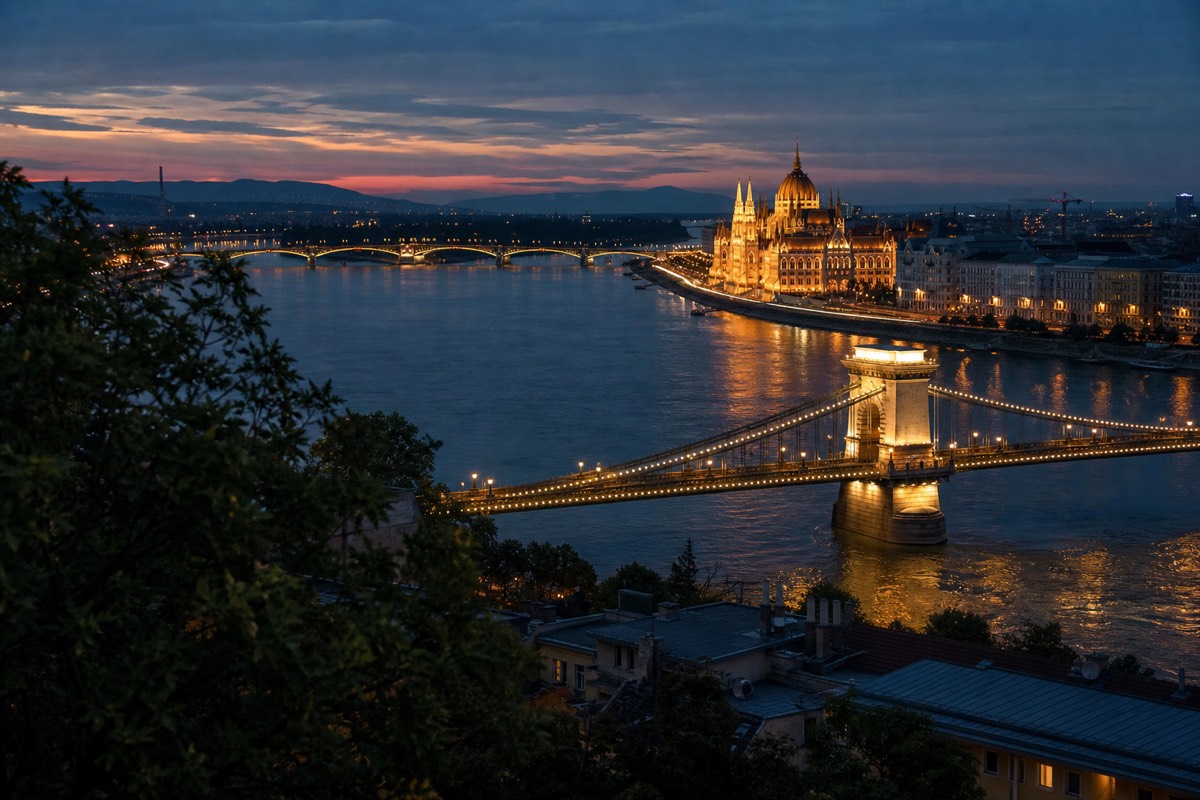
Cost examples below use this site’s earlier USD figures to illustrate the arithmetic, not current quotations. Price your actual date and room arrangement on the provider.
A week reaches one corridor of Eastern Europe, three or four cities deep, and here is what each extra block of days actually buys you.
That gap is not a scheduling problem you can solve with earlier alarms. It is distance. Tallinn to Dubrovnik is roughly the length of the continent, and the three routes on this site that touch Central and Eastern Europe each pick one line through the map and stay on it.
What Does "Eastern Europe" Even Mean Here?
Three different regions travel under that name. The Visegrad group of Prague, Krakow, Budapest and Bratislava. The Balkans, from Bulgaria and North Macedonia down through Albania and Montenegro to Croatia. The Baltics of Estonia, Latvia and Lithuania. Deciding which one you mean does more for your itinerary than adding days.
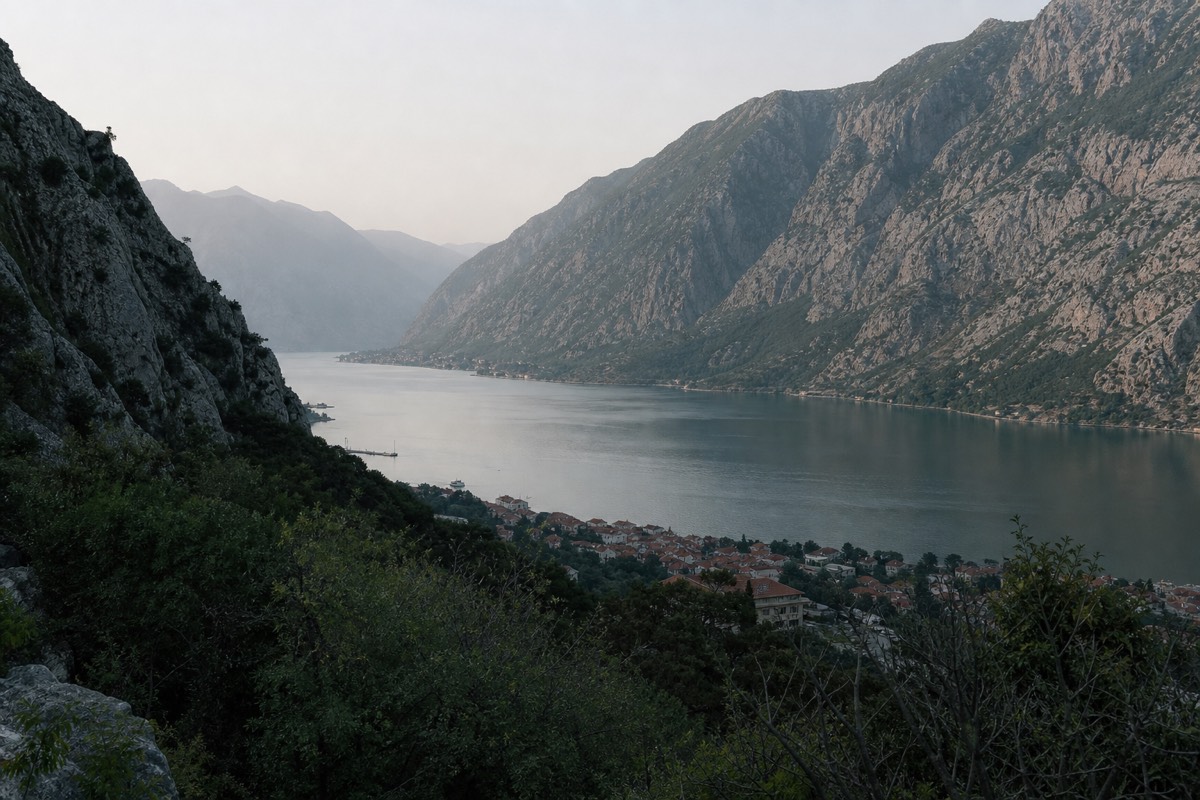
People use the term loosely, and tour listings do too. A traveler who wants beer halls and thermal baths and a traveler who wants Ottoman-era bridges and Adriatic coastline are both saying "Eastern Europe" and describing trips that share almost nothing except a general direction from Western Europe.
Once you pick a corridor, the seven-day question stops being vague. The three routes on this site that reach that half of Europe are the Frankfurt circular through Prague and Vienna, the Budapest to Berlin rail trip, and the Istanbul to Dubrovnik Balkan capitals tour. None of them tries to cover the whole region, and that is the point.
What Can Seven Days Realistically Cover?
Three to four city stops in one corridor, with roughly a day and a half of actual sightseeing in the two biggest ones. Every seven-day route on this site that reaches Central or Eastern Europe follows that shape, whether it moves by coach, by rail, or with a single internal flight to skip a long leg.
Here is what each of the three actually covers, read off the listings rather than estimated.
| Route | Corridor | Main stops | Countries | Price |
|---|---|---|---|---|
| Frankfurt circular | Central Europe, looping back through the Alps | Prague, Bratislava, Budapest, Vienna | Six, including Switzerland | $910 |
| Budapest to Berlin | Visegrad, by train, one way | Budapest, Krakow, Prague, Berlin | Four | $1,637 |
| Istanbul to Dubrovnik | The Balkans, southeast to Adriatic | Istanbul, Sofia, Skopje, Prizren, Tirana, Kotor, Dubrovnik | Seven | $2,471 |
The Frankfurt loop is the odd one structurally: it reaches Prague Castle, Charles Bridge, Bratislava, Gellert Hill in Budapest and Schoenbrunn in Vienna, then keeps going west into Switzerland and finishes through the Black Forest. So it is a Central European week with an Alpine tail, not a pure Eastern European trip. At $910 at the time of writing it is also the cheapest of the six routes we cover.
The Balkan crossing gets seven countries into the same seven days by using an internal flight from Istanbul to Sofia on day three, which removes a very long overland leg. That flight is part of the itinerary, not airfare from home. Several of those countries sit outside the Schengen area, so border crossings are real stops with real queues, and the group is capped at 14 people to keep them short.
How Many Days Do You Need, By Ambition?
Four days for one capital done properly. Seven for a three or four city corridor. Ten to fourteen to link two corridors, such as the Visegrad capitals plus the northern Balkans. Three weeks or more if you want the Baltics and the Balkans in the same trip, which almost nobody should attempt at once.
The table below is our own planning guidance, not an operator schedule. Use it to size the trip before you shop for one.
| What you want | Days needed | What that looks like |
|---|---|---|
| One capital, unhurried | 3 to 4 | Budapest or Prague alone, with time for the baths or a day trip |
| One corridor, three to four cities | 7 | Exactly what the routes on this site deliver |
| One corridor plus a slow start or finish | 9 to 10 | A packaged week with two or three extra nights bolted on one end |
| Two corridors, for example Visegrad and the Adriatic | 12 to 14 | Two weeks, or a week-long tour joined to independent travel |
| The Baltics as well | 18 or more | Long-haul internal legs, and at that length flights between corridors |
Notice that the jump from seven days to ten does not add three cities. It adds breathing room in the cities you already have, plus one new one if the geography cooperates. The step change comes at fourteen, which is where a second corridor becomes possible without living on trains. We work through that arithmetic in detail in how seven days compares with ten or fourteen.
What Does A Longer Trip Actually Add?
Three things, in this order: second days in the big cities, the smaller places between the capitals, and slower travel legs. A longer trip rarely adds famous sights. It adds the ordinary hours that make a city stick, and it removes the 5:00 AM departures that a seven-day route needs to hit its stops.
The Budapest to Berlin week is the clearest illustration. It gets four cities into seven days by using an overnight train from Budapest to Krakow and a 5:00 AM train into Berlin. That is a deliberate design, and for the 18 to thirtysomethings it is sold to, with multi-share hostel rooms and self-funded meals, it works. Add three days to the same route and those two moves become daytime trains instead.
In Krakow, the extra day is the difference between choosing between the Wieliczka salt mines and the Auschwitz-Birkenau Memorial and being able to do both. That choice is built into the seven-day version because a memorial visit takes most of a day. Nothing about the itinerary is thin; the week is simply full.
What a longer trip does not do is change the shape of the region. Two corridors still means two long transfers, and the second one usually eats a travel day. If you have ten days rather than seven, spending the extra three on one corridor tends to beat stretching to a second.
Which Of The Three Weeks Should You Book?
Pick by corridor first, then by travel style. Central Europe on a coach and a budget points to the Frankfurt circular. The Visegrad capitals by train, in hostels, under 35, points to Budapest to Berlin. The Balkans, in a group capped at 14, points to Istanbul to Dubrovnik at the top of the price range.
Prices run from $910 to $2,471 at the time of writing, with the live figures on the listings, and the spread reflects real differences: hostel beds and self-funded meals sit at one end, an internal flight and licensed local guides in seven countries at the other. None of the three includes airfare from North America.
If you are still deciding whether a week is enough for any of Europe, not just its eastern half, start with how many days a first Europe trip needs. If you already know the corridor you want, the shortest path is to compare the six seven-day Europe packages side by side and check which one starts in a city you can fly into cheaply.