Switzerland On A 7-Day Europe Tour: Which Itineraries Include The Alps
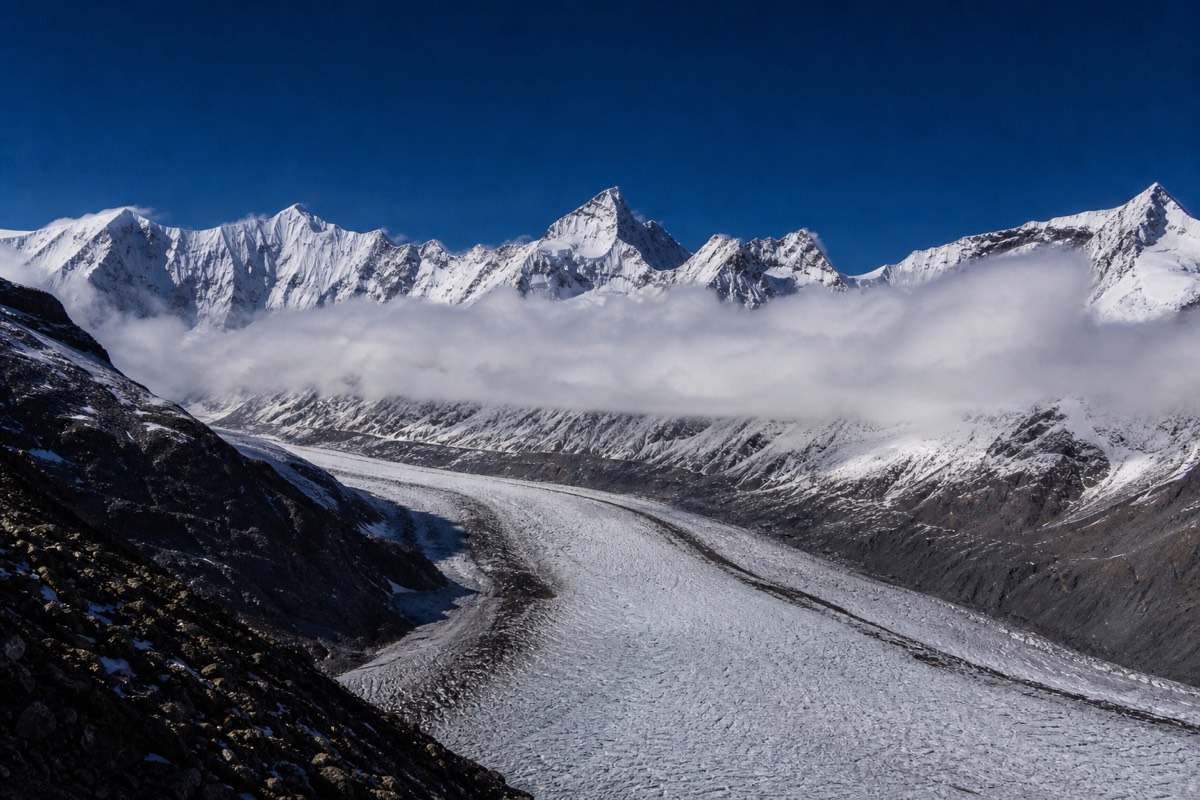
The homepage lists "Swiss Alps & Scenic Train Rides" as one of four highlight cards and leaves it at that. It never says which itineraries actually cross the Swiss border, what you see once you are over it, or what the mountain costs on top of the fare. Half of the six seven-day Europe packages reach Switzerland.
Choose the Swiss experience first: Jungfrau on Europe Taster, Lucerne with Glimpse, or Swiss stops on the Frankfurt circuit. Summit extras are separate decisions.
In Brief: The Frankfurt circuit combines Central European cities with Swiss stops. Compare its actual itinerary with Europe Taster if the Jungfrau region is your priority. Explore The Frankfurt Route
Cost examples below use this site’s earlier USD figures to illustrate the arithmetic, not current quotations. Price your actual date and room arrangement on the provider.
Half the seven-day routes on this site reach Switzerland and half do not, so here is exactly what the Swiss part of each week contains and what the mountain costs on top.
So this page does the sorting. You will find which three routes enter Switzerland, what each Swiss segment actually contains, how long you are genuinely on Swiss ground, what the optional summit excursions cost in the operator's own published numbers, and the honest reason a fair number of travelers should skip the cable car and keep the money for a long lunch in Lucerne instead.
Which routes reach the Alps
List prices per person from this site's own tour data. The three solid bars are the routes that cross into Switzerland.
Which Europe Tour Packages Include Switzerland?
Three of the six seven-day routes cross into Switzerland. The Europe Taster climbs into the Jungfrau region on day 4, the Frankfurt circular takes in Mount Titlis, Lucerne and the Rhine Falls, and Glimpse of Europe stops in the Lucerne region. The Balkan, Mediterranean and Budapest to Berlin routes never enter the country at all.
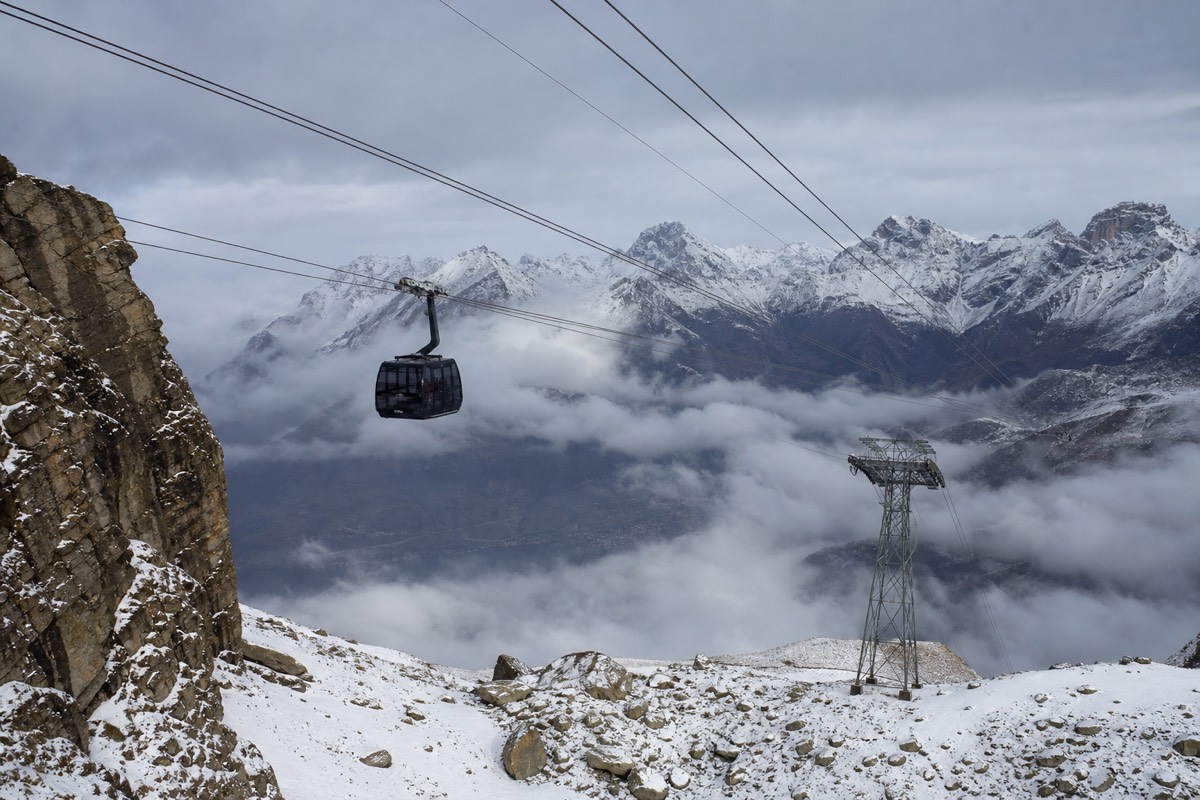
That split matters more than it sounds. A seven-day multi-country coach week is a sequence of border crossings, and Switzerland is expensive to include: it sits between the French, German and Austrian legs, so the routes that take it either detour south or build the whole loop around it. The three that skip it are not worse tours. They are simply pointed somewhere else, at the Balkans, at the Italian and French coast, or at Central Europe's rail cities.
Here is the whole lineup, with the Swiss question answered in one column.
| Route | Price per person | Countries | Enters Switzerland? | Swiss stops |
|---|---|---|---|---|
| Europe Taster, London to London | $1,667 | Six | Yes | Jungfrau region, optional Jungfraujoch on day 4 |
| Frankfurt circular | $910 | Six | Yes | Mount Titlis, Lucerne, the Rhine Falls |
| Glimpse of Europe, ending in Paris | $1,462 | Four | Yes | Schaffhausen and the Rhine Falls, the Lucerne region |
| Budapest to Berlin | $1,637 | Four | No | None, the route runs Hungary to Germany by rail |
| Istanbul to Dubrovnik | $2,471 | Seven | No | None, Turkey through the Balkans to Croatia |
| Mediterranean Express | $1,835 | Four | No | None, Rome to Barcelona along the coast |
Two of the three Swiss routes are coach tours in 3 and 4 star hotels with a tour leader running the day. The third, the $910 Frankfurt circular, is partially guided, which means you travel with a tour manager but move through some sites independently. If the Alps are the reason you are booking, all three are live options and the choice comes down to what else you want in the week.
What Does The Swiss Segment On Each Europe Tour Package Actually Include?
The Europe Taster gives you the Jungfrau region with an optional high-altitude train to Jungfraujoch. The Frankfurt circular offers Mount Titlis by revolving gondola as an optional extra, then Lucerne, then the Rhine Falls. Glimpse of Europe gives you the Rhine Falls, Lucerne Old Town, and a choice between Mount Pilatus and a folklore evening.
They are three genuinely different Swiss experiences, not three versions of the same one, and that is the most useful thing to understand before you book.
On the London-to-London Europe Taster, the Alps are the middle of the trip. The coach comes down from Paris through Beaune in Burgundy, then climbs into the Jungfrau region, and day 4 carries the optional excursion up to Jungfraujoch, which the operator describes as Europe's highest train station. This is the only one of the three where the Swiss high country is the headline rather than a stop on the way to somewhere else.
The Frankfurt circular treats Switzerland as the back half of a loop. After Vienna and Mondsee, the coach crosses to Mount Titlis and takes the revolving gondola to the summit, then drops into Lucerne. The final day runs through the Rhine Falls, which the operator calls Europe's largest waterfall, and the Black Forest at Titisee before returning to Frankfurt at 7:00 PM. You get more separate Swiss sights on this route than on either of the others.
On the Amsterdam-to-Paris Glimpse of Europe route, Switzerland is lakeside rather than alpine. The itinerary comes through the Black Forest to Schaffhausen and the Rhine Falls, then into the Lucerne region for the Old Town, the Chapel Bridge and the Lion Monument. The mountain is a choice here: either Mount Pilatus by cogwheel train, or a Swiss folklore evening with yodelling and fondue. You pick one.
| Route | Where in Switzerland | Included on the ground | The optional mountain | Operator |
|---|---|---|---|---|
| Europe Taster | Jungfrau region | Scenic drive into the region, hotel night, alpine scenery from the valley | Jungfraujoch by train, day 4 | Expat Explore Travel |
| Frankfurt circular | Engelberg area, Lucerne, Schaffhausen | Lucerne bridges and towers, the Rhine Falls, orientation touring | Mount Titlis by revolving gondola, 100 euros | goEUgo International Limited |
| Glimpse of Europe | Schaffhausen, Lucerne region | The Rhine Falls, Lucerne Old Town, Chapel Bridge, Lion Monument | Mount Pilatus by cogwheel train, or a folklore evening | Costsaver |
Note the pattern in that last column. On every one of the three, the mountain itself is an optional excursion. Nothing in the package price buys you a summit. What the package buys is the transport to the valley, the hotel, and a guide who tells you when the coach leaves.
How Much Alpine Time Does A Seven-Day Europe Tour Really Give You?
One day, sometimes stretched across two mornings. The Europe Taster itinerary stays in the Swiss Alps for two nights; the other routes arrange their Swiss stays differently, and on the Frankfurt circular the Swiss sights are split between the end of one day and the start of the next. Think hours of mountain, not a Switzerland trip.
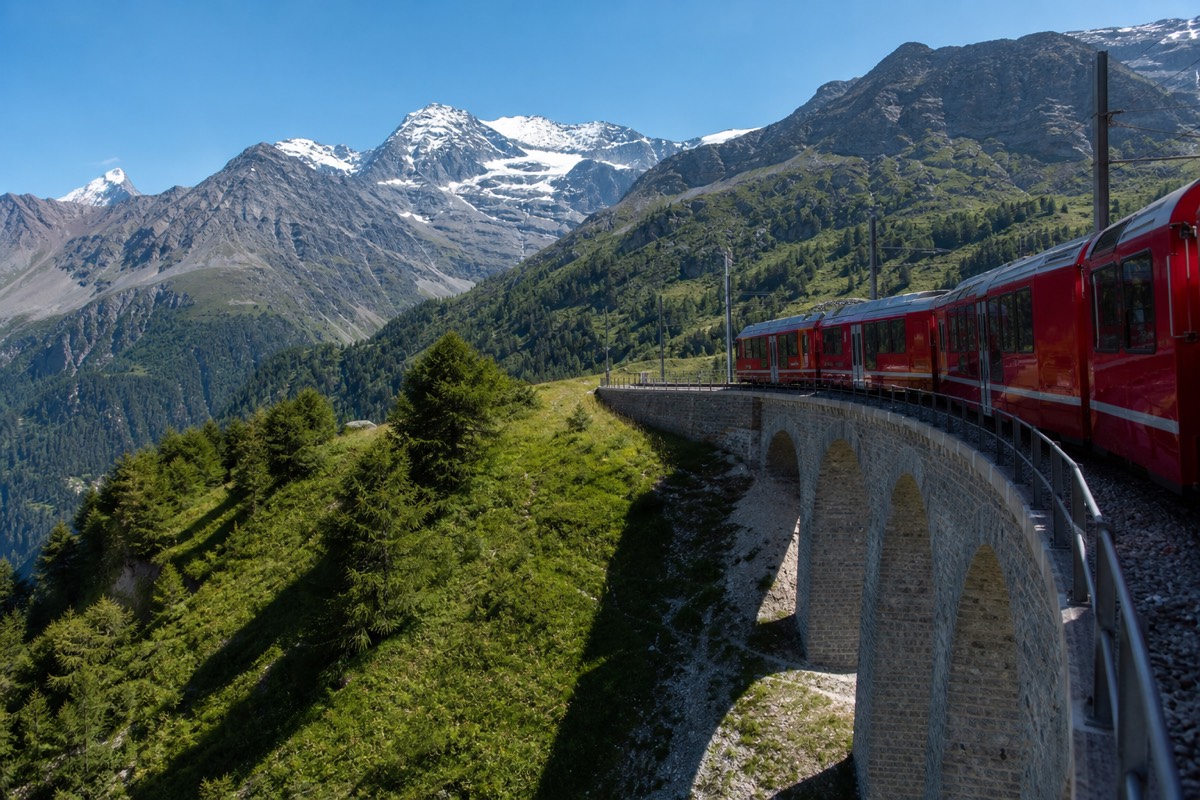
Operators publish day plans, not clock times, so nobody can hand you a minute-by-minute schedule before you travel. What you can read off the itineraries is the shape of the day, and the shape is consistent: arrive in the afternoon, sleep, spend the next morning and part of the afternoon on the Swiss item, leave. A summit excursion eats most of a morning by itself, because you are queueing for a lift, riding up, standing in thin cold air taking photographs, and riding back down.
The table below separates what the operator commits to from what we would allow for when planning. The right-hand column is our own planning allowance, not an operator promise.
| Route | Swiss days in the itinerary | What the operator commits to | Our planning allowance for the mountain |
|---|---|---|---|
| Europe Taster | Day 3 into day 4 | Jungfrau region overnight, optional Jungfraujoch excursion on day 4 | Most of a morning and into the afternoon if you go up |
| Frankfurt circular | Late in the loop, Rhine Falls on day 7 | Optional Mount Titlis summit by gondola, Lucerne, then the Rhine Falls before Frankfurt | Half a day at Titlis, an hour or two in Lucerne, under an hour at the falls |
| Glimpse of Europe | Day 3 into day 4 | Rhine Falls on day 3, Lucerne Old Town, then one Choice Experience | An afternoon in Lucerne, half a day if you take Pilatus |
Put plainly, you are getting a taste. That is what the Europe Taster calls itself, and the honesty of the name is a point in its favor. If your goal is hiking the Bernese Oberland or riding the panoramic lines across the country, none of these six routes is the right purchase and Switzerland Tourism is a better starting point than a multi-country coach week. If your goal is to stand on a glacier once, photograph a lake town, and be in Paris or Prague two days later, the math works.
What Do The Swiss Optional Excursions Cost On Top Of The Package Price?
Only one of the three publishes a figure. The Frankfurt circular lists Mount Titlis at 100 euros, plus a mandatory 70 euro gratuity for the week and 15 euros of city entrance taxes across Czechia, Austria and Switzerland. The Jungfraujoch and Mount Pilatus excursions are quoted on tour, not on the listing.
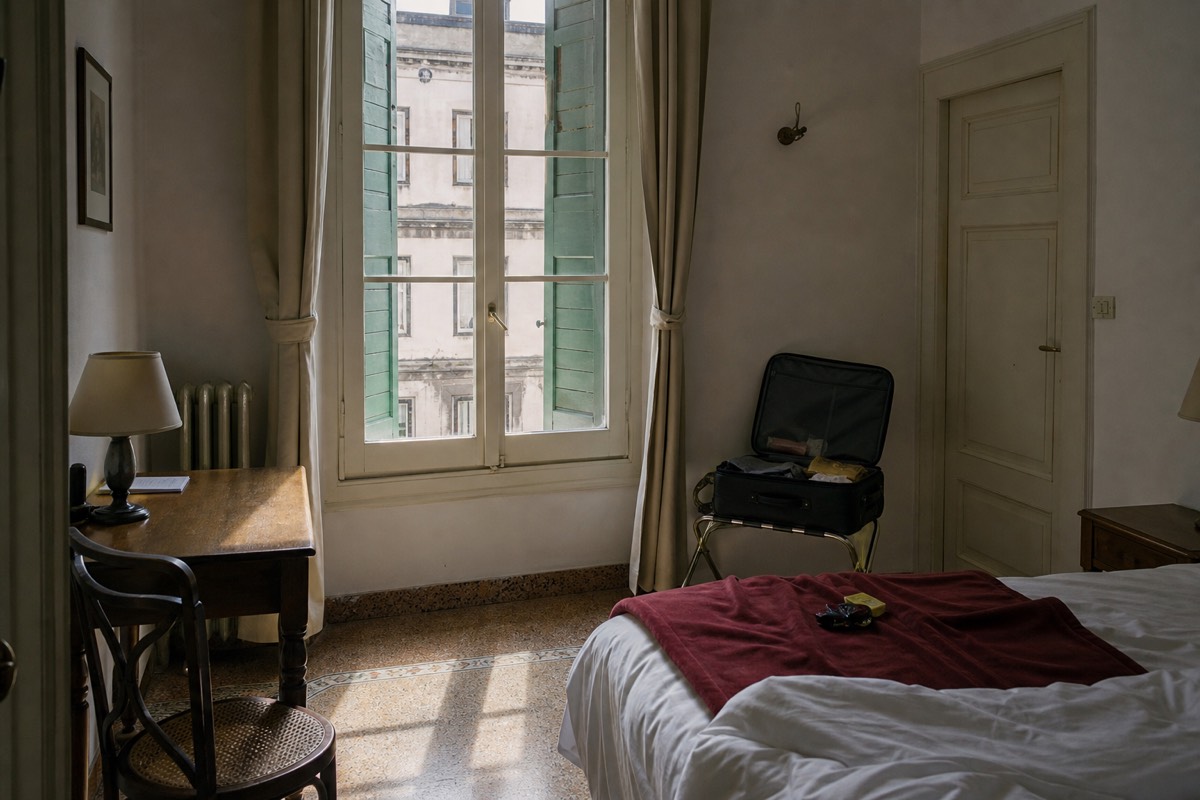
This is where a cheap package stops looking quite so cheap, and where the three routes separate. The Frankfurt circular is transparent about it: the tour page states the gratuity of 10 euros per day, 70 euros total, the 15 euro city tax, and the optional excursions at 100 euros for Mount Titlis and 20 euros for the Danube cruise. Those are the operator's own numbers, quoted in euros while the package price is in US dollars, and we are not going to convert them here because exchange rates move.
The other two are quieter. The Europe Taster lists optional excursions such as Jungfraujoch under what is not included without attaching a price, and Costsaver sells its optional excursions as Choice Experiences, again without a public figure on our page. Neither omission is a trick. Mountain railway fares change with the season and with group size, so the operator quotes them once you are on the coach.
| Cost item | Europe Taster | Frankfurt circular | Glimpse of Europe |
|---|---|---|---|
| Package list price | $1,667 | $910 | $1,462 |
| Swiss mountain excursion | Optional, price quoted on tour | Mount Titlis, 100 euros | Choice Experience, price quoted on tour |
| Mandatory tipping | Not stated as mandatory | 10 euros per day, 70 euros total | Gratuities for director and driver not included |
| City or entrance taxes | Not stated | 15 euros total for Czechia, Austria and Switzerland | Not stated |
| Lunches | Not included | Not included | Not included |
| Dinners included | 4 group dinners | None | 2 regional dinners |
Add the Frankfurt circular's own line items together and the $910 headline gains 85 euros of stated mandatory extras plus the optional mountain cost before you have bought a coffee. It is still the cheapest of the six by a wide margin, and it is still the only one that puts three separate Swiss sights in the same week, but the sticker price is not the whole price. We work through the same exercise for every route in the full cost of a seven-day Europe trip.
Which Swiss Excursion Is The Best Use Of The Money?
For a first visit, the Jungfraujoch train on the Europe Taster gives you the most distinct experience, because a high-altitude rail journey to a glacier is something you cannot do anywhere else on these six routes. Mount Titlis is the better value at a known 100 euros. Mount Pilatus is the weakest case.
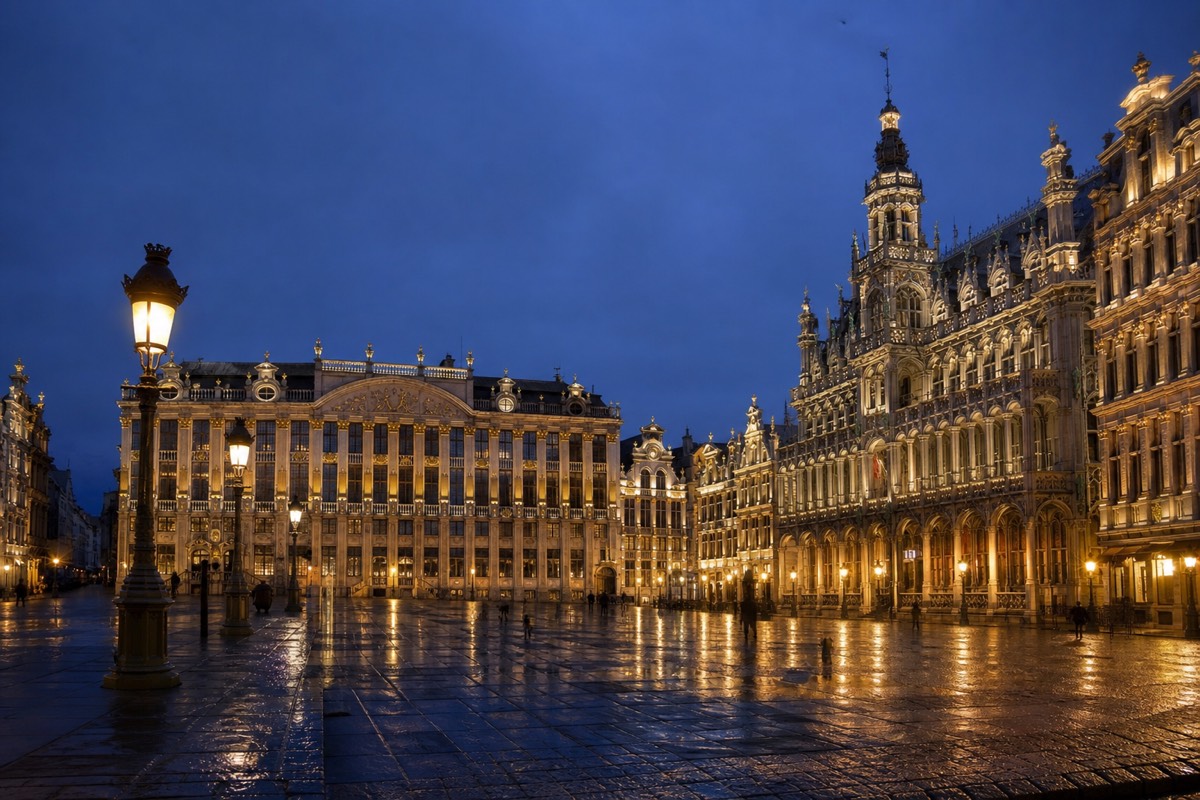
The reasoning is about substitution, not scenery. Every one of these excursions puts you on a mountain with a view. What separates them is whether the rest of the trip already gives you the same thing for free.
On the Europe Taster, it does not. The rest of that week is cities and river valleys, London, Paris, Burgundy, the Rhine, Amsterdam, Ghent. The Jungfrau day is the only high country you get, so paying for it converts a flat, urban itinerary into one with a genuine peak in the middle. Skip it and the Swiss portion becomes a hotel night with a nice view from the coach window.
On the Frankfurt circular, the Titlis gondola is a known quantity at 100 euros, and it is the world's first revolving gondola, which is a specific thing rather than a generic cable car. That week already contains the Rhine Falls and Lucerne, so the summit is an addition to a Swiss day that stands up without it. Reasonable people go either way. If you are already paying 70 euros of gratuity and 15 euros of city tax, another 100 is a real decision and not a rounding error.
On Glimpse of Europe, Pilatus competes with the folklore evening, and it also competes with Lucerne itself. The Old Town, the Chapel Bridge and the Lion Monument are already the strongest part of that Swiss segment, and you reach them on foot at no extra cost. Lucerne's tourist board lists enough in the compact center to fill an afternoon comfortably. If you take the cogwheel train you are trading a walkable, photogenic lake town for a summit you will share with several hundred people.
Does The Season Change Whether The Swiss Summit Is Worth Paying For?
Yes, more than any other factor. A summit excursion buys a view, and a view in cloud is worth nothing. Late spring and early autumn give the clearest air in the operators' own seasonal notes, high summer gives the longest days with the heaviest crowds, and spring snowmelt makes the Rhine Falls at its most powerful.
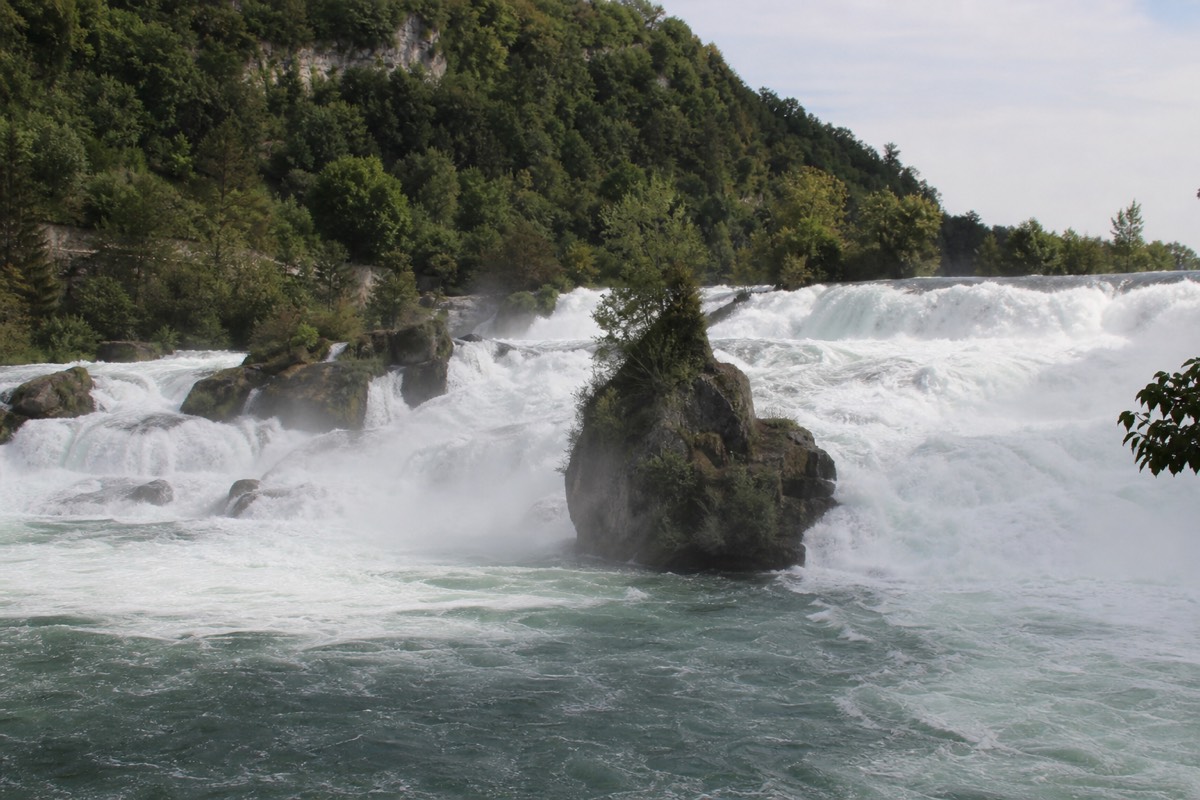
The tour pages are unusually candid about this. The Europe Taster page warns that a scenic mountain drive in April or May may involve mist. The Frankfurt circular and Glimpse of Europe pages both note that spring snowmelt raises the water volume at the Rhine Falls, and both warn about mist and spray on the viewing platforms, which is a reason to pack a light shell rather than a reason to stay away.
Here is how we would read the seasons for the specifically Swiss part of the week.
| Season | Summit odds | The Rhine Falls | Trade-off | Pay for the mountain? |
|---|---|---|---|---|
| Spring, April to May | Mixed, mist is common in the operator's own note | Strongest, fed by snowmelt | Variable temperatures, green valleys | Decide on the morning, ask the guide |
| Summer, June to August | Best daylight, most crowded lifts | Busy but reliable | Peak crowds everywhere on the route | Yes, if you can accept queues |
| Early autumn, September to October | Crisp, clear air per the operator's note | Lower volume, calmer viewing | Shorter days, earlier dinners | Yes, the strongest case of the year |
| Late autumn and winter | Short daylight, weather dependent | Quiet | Cold on exposed platforms | Only if the sky is clear that morning |
The practical move on any of the three routes is the same. Do not commit to the excursion at booking if you can avoid it. Look at the sky on the morning, ask the tour leader what the mountain station is reporting, and pay then. A guide who runs this route weekly knows whether the cloud base is sitting below the summit, and that single question is worth more than any forecast you read at home.
What The Swiss Day Actually Looks Like On Each Route
A worked version of each Swiss day, read off the operators' itineraries. Europe Taster: a valley night and a morning train. Frankfurt circular: a summit gondola, an afternoon in Lucerne, a waterfall on the way home. Glimpse of Europe: a waterfall, an Old Town walk, then one choice between a mountain and a fondue.
Europe Taster, day 3 into day 4
The coach leaves Beaune in Burgundy and climbs east. You cross into Switzerland during the afternoon and reach the Jungfrau region for the night. Day 4 is the alpine day: those who paid for the excursion head up toward the glacier and the highest train station in Europe, and those who did not have the valley, the villages and a morning that costs nothing. The group reassembles and the coach moves on to Germany's Rhine Valley on day five, where a riverboat runs from St. Goar to Boppard with a wine tasting.
Frankfurt circular, the closing days
After Mondsee, which the tour page identifies as the wedding site from The Sound of Music, the coach makes the long run to the Swiss peaks. Mount Titlis comes with the revolving gondola to the summit and, per the operator's own packing note, a suspension bridge that not everyone enjoys. You descend into Lucerne for its bridges and towers. Day 7 collects the Rhine Falls and the Black Forest at Titisee, with cuckoo clock demonstrations, before the 7:00 PM return to Frankfurt Central Train Station.
Glimpse of Europe, day 3 into day 4
A scenic drive through the Black Forest ends at Schaffhausen and the Rhine Falls, with time on the viewing platforms. From there the coach continues into the Lucerne region. The next stretch is the Old Town on foot, the Chapel Bridge, the Lion Monument, and then the fork: Mount Pilatus by cogwheel train, or an evening of yodelling and fondue. Afterward the route turns west through the Burgundy wine region to Paris, where the week ends.
All three days share a rhythm you should expect from any coach week. You are in a seat for a large part of it, the guided portion is concentrated into a few hours, and the free time is real but short. Whether that suits you is a bigger question than which mountain you climb, and we take it apart in the honest case for and against group tours.
Which Europe Tour Packages Skip Switzerland, And Who Should Book One?
Three routes never enter Switzerland: Budapest to Berlin by rail, Istanbul to Dubrovnik through the Balkans, and the Mediterranean Express from Rome to Barcelona.
People who want mountains sometimes book a Swiss route when a different one fits them better. The three non-Swiss itineraries are aimed at clearly different travelers, and two of them are age-restricted in practice.
| Route | Price | Style | Book it instead if |
|---|---|---|---|
| Budapest to Berlin | $1,637 | 18 to thirtysomethings, multi-share hostels, rail | You want street art, market halls and overnight trains rather than summits |
| Istanbul to Dubrovnik | $2,471 | Small group capped at 14, includes an internal flight | You want seven countries most travelers have not seen, in a small group |
| Mediterranean Express | $1,835 | 18 to thirtysomethings, hostels, trains not coaches | You want coastline, the Cinque Terre and a rail week over an alpine one |
Its "flight included" label refers to the Istanbul to Sofia hop on day 3, an internal leg of the itinerary, not airfare from home. That distinction catches people out, so it is worth stating flatly: none of the six packages includes a flight from North America. The 14-person Balkans small-group route is the one where the confusion happens most.
If the appeal was rail rather than mountains, the Rome to Barcelona rail route moves by train the whole way and includes a Cinque Terre park pass and unlimited local train hopping. If it was cities and nightlife on a budget, the hostel-based Budapest to Berlin route is built around exactly that, with an overnight train to Krakow in the middle of it.
Who Should Skip The Mountain Excursion Entirely?
Skip it if the weather has closed in, if you are traveling with small children who will spend the ride bored, if altitude bothers you, if the cost pushes your day budget past what you set, or if the lake town below is the thing you actually came to see. None of these routes penalizes you for staying down.
The people who most often regret paying are the ones who bought the ticket the night before and woke up to cloud. A summit in fog is an expensive white room. Guides on these routes see it every week and will usually tell you honestly if the mountain is socked in, which is why paying on the morning beats paying at booking.
Some concrete cases where staying in the valley is the better call:
- The forecast is poor and the guide says the cloud base is below the station.
- You are on the Frankfurt circular and the mandatory 70 euro gratuity plus 15 euro city tax has already stretched the budget you set for the week.
- You are on Glimpse of Europe, and Lucerne Old Town, the Chapel Bridge and the Lion Monument are what pulled you to the route in the first place.
- Altitude or heights make you uneasy. The Frankfurt circular's own packing note mentions the Titlis suspension bridge, which is not for everyone.
- You are traveling with young children who will get more out of a lakeside afternoon than a queue for a lift.
Families in particular should weigh this carefully, since a full-price child ticket on a mountain railway can be the single largest line item of the day. We look at that trade-off across every route in how these routes work with children along.
How Do The Three Switzerland Europe Tour Packages Compare On Price And Rating?
Use the current provider review history alongside the itinerary. A rating cannot decide whether the pace, room style and route suit you.
Use the current provider review history alongside the itinerary. A rating cannot decide whether the pace, room style and route suit you.
| Metric | Europe Taster | Frankfurt circular | Glimpse of Europe |
|---|---|---|---|
| Price per person | $1,667 | $910 | $1,462 |
| Rating | 4.5 | 4.7 | 4.2 |
| Travelers booked | 3,934+ | 713+ | 417+ |
| Roughly per day | $238 | $130 | $209 |
| Breakfasts and dinners | 6 breakfasts, 4 group dinners | Continental breakfast daily, no dinners | 6 breakfasts, 2 regional dinners |
| Starts and ends | London to London | Frankfurt to Frankfurt | Amsterdam to Paris |
| Swiss sights | One region | Three separate stops | Two stops |
The Europe Taster's booking count is the number that stands out.
Our side-by-side of all six, including the three that skip Switzerland, is in our route-by-route comparison of the six .
Is A Seven-Day Europe Tour Enough To Say You Have Seen Switzerland?
No, and the routes do not claim otherwise. What a seven-day multi-country package gives you is one Swiss day, one alpine view, and one lake town, inside a week that also covers three to five other countries. Treat it as a first look that tells you whether to come back properly.
That framing is not a criticism of the product. It is what these tours are built to do. The Europe Taster is named for exactly this, and the Frankfurt circular describes itself as an introduction to Central Europe's cities and landscapes. Neither is pretending to be a Swiss holiday. Where travelers get disappointed is when they read "Swiss Alps" on a highlight card and picture four days of mountains.
If Switzerland is genuinely the point of your trip, the better plan is a longer stay built around the country itself rather than a week that touches it for a day. If Switzerland is one of several things you want to see, and you want somebody else handling the hotels, the border crossings and the coach, then one of these three routes does the job at a price no independent itinerary is going to match. Where a longer trip changes the calculation is covered in how seven days compares with ten or fourteen.
One last practical note. Because the mountain is optional on all three routes, the real Swiss decision is not made at booking. It is made on a specific morning, in a specific valley, looking at a specific sky, with a guide who knows what the summit station is reporting. Set aside the money in your budget, keep it flexible, and spend it only when the day earns it.